Citrus Rootstocks Exhibit Varied Responses to Cold Stress Through Aquaporin Regulation
Cold stress significantly impacts crop yields, particularly for citrus species that thrive in tropical and subtropical climates. A study conducted by researchers at the Valencian Institute for Agricultural Research examined the physiological responses of two citrus rootstocks, Citrus macrophylla and Carrizo citrange, to long-term cold exposure. The research aimed to understand how these rootstocks manage water transport and gene expression under cold stress conditions, which is increasingly relevant due to climate change affecting agricultural practices.
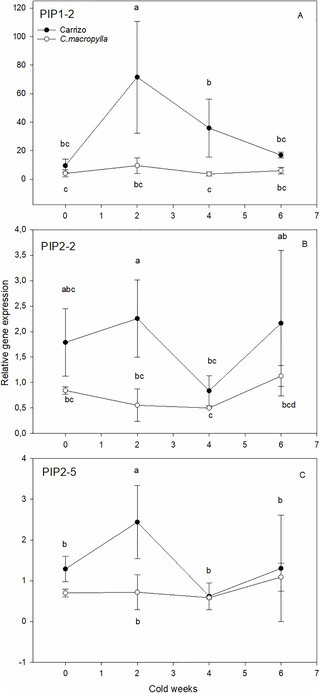
The study involved grafting the Valencia Delta Seedless variety onto both rootstocks and subjecting them to a controlled cold environment of 1°C for six weeks, with a photoperiod of 16 hours light and 8 hours darkness. Key measurements included CO2 assimilation rates, stomatal conductance, transpiration rates, and photosynthetic damage, alongside assessments of water potential and relative water content. The researchers specifically focused on three aquaporin genes—PIP1–2, PIP2–2, and PIP2–5—previously linked to cold acclimation and tolerance.
Results indicated that cold temperatures led to stomatal closure and reduced transpiration, mirroring conditions of extreme drought as the plants attempted to conserve water. However, the stem water potential and relative water content of the plants remained within the range typical of actively growing plants under adequate irrigation. Notably, plants grafted onto the Carrizo citrange rootstock showed a more robust response to cold stress, characterized by enhanced gene expression of the aquaporins studied. This suggests that the Carrizo citrange rootstock facilitates better acclimation to cold conditions compared to the more sensitive Citrus macrophylla.
The findings underscore the importance of rootstock selection in citrus cultivation, especially as climate patterns shift. The study contributes to a deeper understanding of how specific genetic traits influence cold tolerance in citrus, which could inform future agricultural strategies aimed at mitigating the effects of climate change on crop production. The research was supported by the Spanish Ministry of Science and Innovation and highlights the critical role of aquaporins in maintaining plant water balance under abiotic stress conditions. This work not only adds to the scientific understanding of citrus physiology but also has practical implications for improving cold tolerance in citrus agriculture.