Study Links Hexokinase-3 and Histone Lactylation to Liver Fibrosis from Echinococcus
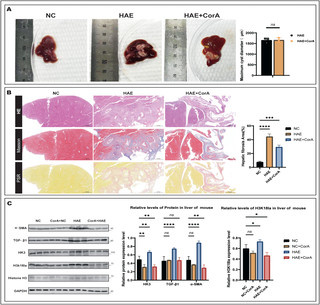
Alveolar echinococcosis (AE), caused by the parasitic infection of Echinococcus multilocularis, leads to significant liver damage characterized by severe hepatic fibrosis. Despite the known consequences of this infection, the underlying molecular mechanisms have remained largely unclear, complicating the development of effective therapies. A recent study aimed to elucidate these mechanisms using a mouse model to investigate the relationship between hepatic fibrosis and lactylation induced by E. multilocularis infection. The findings indicated that lactate concentrations were notably elevated in both the liver and serum of infected mice compared to controls. This increase was associated with a significant upregulation of hexokinase-3 (HK3), an enzyme crucial for lactate production. Immunofluorescence staining revealed a substantial colocalization of HK3 and transforming growth factor beta 1 (TGF-β1) within the hepatic lesions of AE mice, suggesting a potential pathway through which the infection exacerbates liver damage. Further analysis using Western blot techniques showed elevated levels of histone lactylation, particularly at the H3K18 site, in the livers of AE mice. This modification appears to be linked to the activation of fibrosis-associated genes. In vitro experiments confirmed that exposure to E. multilocularis culture supernatant led to increased expression of TGF-β1, HK3, and histone lactylation in hepatocytes. Notably, silencing HK3 reduced the induction of lactylation and fibrosis-related proteins, while supplementation with lactate enhanced these responses, indicating that lactate acts downstream of HK3 to drive histone lactylation and fibrogenesis. Additionally, corosolic acid, a compound known to limit HK3-mediated lactate production, was found to attenuate histone lactylation and the expression of fibrosis-related proteins. These findings suggest that HK3-driven histone lactylation at H3K18 plays a significant role in hepatic fibrosis associated with AE and highlight HK3 as a promising therapeutic target. This research not only fills a critical gap in understanding AE pathogenesis but also opens avenues for exploring similar metabolic-epigenetic mechanisms in other neglected tropical diseases. The study underscores the urgent need for novel therapeutic strategies to improve clinical outcomes for patients suffering from AE, given the high mortality rate and frequent recurrence associated with this condition.














