Study Links Insomnia and Sleep Apnea to Higher Cardiovascular Disease Risk
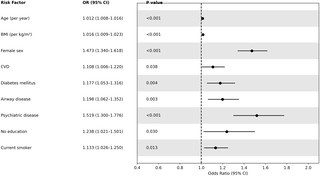
A recent study published in PLOS One has explored the relationship between comorbid insomnia and obstructive sleep apnea (COMISA) and cardiovascular disease (CVD). This research, which utilized data from the TURKAPNE registry, aimed to clarify the association between these conditions, which are increasingly recognized as significant health concerns. The study involved a large cohort of 12,715 adults referred for sleep evaluation, categorizing participants into four distinct sleep phenotypes: those with neither obstructive sleep apnea (OSA) nor insomnia, those with insomnia only, those with OSA only, and those with COMISA. The findings revealed that the prevalence of CVD was notably higher among individuals with COMISA, at 31.6%, compared to 22.7% in those without CVD. This significant difference was statistically validated (p < 0.001). Furthermore, multivariable logistic regression analysis indicated that CVD was independently associated with COMISA, yielding an odds ratio of 1.108 (95% confidence interval 1.006–1.220; p = 0.038). This suggests that while the association is present, it is of a modest magnitude. The study also found that factors such as female sex, diabetes, airway disease, psychiatric conditions, lower educational status, and current smoking were independently linked to COMISA. The implications of these findings are substantial, as they suggest that COMISA may represent a clinically distinct phenotype that carries an increased risk for cardiovascular issues. However, the modest effect size indicates that the interplay of behavioral and metabolic factors also plays a crucial role. Previous research has indicated that individuals with COMISA often experience more severe sleep disturbances and greater psychological distress than those with OSA or insomnia alone. The study contributes to a growing body of evidence suggesting that COMISA is associated with a higher cardiovascular burden than either condition alone. Nonetheless, the authors note that gaps remain in the current understanding of the relationship between COMISA and cardiovascular outcomes, particularly regarding the definitions and diagnostic criteria used across various studies. This highlights the need for further research to establish clearer connections and to explore the potential for targeted interventions in this population. Overall, the findings underscore the importance of recognizing COMISA as a significant health concern that warrants further investigation and clinical attention.