Physiological and Molecular Responses of Paris polyphylla var. yunnanensis to Heat Stress
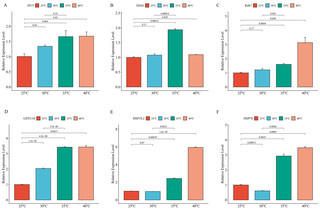
High temperature is a significant environmental stressor that adversely impacts plant growth. Paris polyphylla var. yunnanensis, a traditional Chinese herbal medicine, is particularly sensitive to elevated temperatures. A recent study aimed to uncover the physiological and molecular mechanisms behind its response to high-temperature stress. The researchers conducted experiments at varying temperatures (25°C, 30°C, 35°C, and 40°C) to assess the effects on the plant's photosynthesis and metabolism. The findings indicated that high temperatures led to a reduction in chlorophyll content and photosynthetic rates, while also causing an accumulation of proline and increased electrical conductivity, suggesting metabolic disruption. In total, 893 differentially expressed proteins (DEPs) were identified, with notable changes in enzymes related to protein processing and synthesis. Additionally, key proteins involved in the circadian and glutathione pathways showed significant upregulation. The study also observed dynamic changes in autophagy-related proteins, ATG3 and ATG8C, which may play a protective role under heat stress. These insights provide a foundation for future efforts to enhance the heat tolerance of P. polyphylla var. yunnanensis through genetic engineering. This research is particularly relevant given the increasing global temperatures and their potential impact on agricultural productivity and the cultivation of medicinal plants. Understanding the molecular responses of this species to heat stress could inform strategies for its preservation and cultivation in changing climates.