Primary Care Physicians Face Challenges in Nutrition Counseling: A Qualitative Study
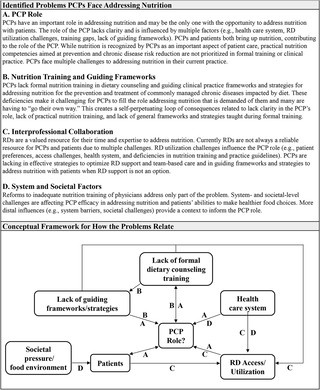
Primary care physicians (PCPs) play a crucial role in health promotion and disease prevention, yet a recent study reveals a persistent gap in their ability to counsel patients on nutrition, a vital aspect of health and chronic disease management. This qualitative research, which involved semi-structured interviews with 32 PCPs, aimed to understand the complexities these healthcare professionals face when addressing nutrition with their patients. The findings indicate that while PCPs value nutrition and acknowledge their responsibility in guiding patients, they often lack clarity in their role as generalists in this area. Many PCPs reported learning about nutrition primarily outside of formal medical training, leading to inconsistencies in their approaches and recommendations. This lack of formal education contributes to their frustration in providing actionable dietary guidance.
The study also highlights the role of registered dietitians (RDs) as valuable resources for patients; however, PCPs encounter numerous barriers to utilizing RDs effectively. Time constraints, inadequate reimbursement, and systemic challenges further complicate their ability to address dietary issues during patient consultations. The limitations of this study include its focus on graduates from a single medical school, which may affect the generalizability of the results. Additionally, the participants' heightened interest in nutrition may have influenced their willingness to participate, potentially skewing the findings.
The results underscore the necessity of defining a realistic and clear role for PCPs in nutrition counseling. Establishing explicit expectations can inform the development of nutrition training programs for physicians and create frameworks that facilitate practical, evidence-based dietary guidance. Furthermore, PCPs require enhanced support through improved access to resources, strategies for better collaboration with RDs, and attention to broader systemic and societal factors that impact dietary interventions in primary care settings. This study serves as a call to action for medical education reform and greater support for PCPs in their vital role in patient nutrition management, ultimately aiming to improve health outcomes through better dietary counseling.