Study Reveals High Rates of Herbal Medicine Use and Potential Drug Interactions in Vietnam
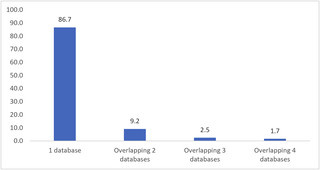
A recent multicenter cross-sectional study in Vietnam has brought to light the widespread use of herbal medicines among patients diagnosed with non-communicable diseases (NCDs). The research involved 658 patients from two tertiary care facilities and aimed to identify the prevalence of potential herb-drug interactions and the rate at which patients disclosed their herbal medicine use to healthcare providers. The findings revealed that 48.6% of participants reported using herbal medicines, yet a staggering 96% failed to inform their healthcare providers about this use. This lack of disclosure poses significant risks, as potential interactions were identified in 31.3% of herbal medicine users, which translates to 15.2% of the total cohort. The study evaluated potential interactions using four widely recognized databases: Micromedex®, UpToDate Lexicomp Drug Interactions, Medscape Drug Interaction Checker, and Stockley’s Herbal Medicines Interactions. However, the results indicated a concerning level of inconsistency, with only 0.7% of interactions documented across all four resources, highlighting a critical gap in the safety infrastructure surrounding herbal medicine use. The authors emphasized the need for improved integration of herbal medicine assessments into routine healthcare practices, enhanced training for providers, and the expansion of clinical decision support systems to include region-specific botanical data. This study underscores the importance of addressing the challenges posed by herbal medicine use in clinical settings, particularly in regions where such practices are prevalent, to ensure patient safety and effective medication management.