Quality of Care for Type 2 Diabetes Management in Malaysia: A Scoping Review
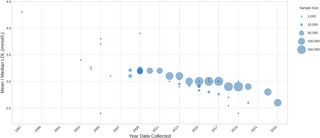
Diabetes is a significant health issue in Malaysia, with a national prevalence of 15.6% reported in 2023. This scoping review aims to systematically evaluate the quality of care for type 2 diabetes mellitus (T2DM) management in Malaysian primary health care (PHC) settings, focusing on the achievement of key clinical indicators: glycated hemoglobin (HbA1c), blood pressure (BP), and low-density lipoprotein cholesterol (LDL-C), collectively referred to as ABC control. The review was conducted following the Joanna Briggs Institute methodology and PRISMA-ScR guidelines, involving a comprehensive search across multiple databases including PubMed, Embase, Scopus, and MyMedR, up to December 2024. A total of 109 publications were included in the review, revealing that while research on T2DM management has increased, the quality of care remains suboptimal. The achievement rates for HbA1c control were found to be between 30% and 45%, and for BP control, between 20% and 50%. In contrast, LDL-C control showed some improvement, with rates rising from approximately 30% to 50% over the past decade. These findings indicate that despite the growth in research and awareness, there has been no significant improvement in the management of HbA1c and BP over two decades, suggesting a persistent gap between clinical guidelines and real-world outcomes. The modest progress in LDL-C control indicates that improvements are possible, underscoring the need for targeted health policies and continued investment in diabetes care. The review highlights the importance of addressing systemic barriers and ensuring that all three ABC indicators receive balanced attention in diabetes management strategies. This synthesis of evidence is crucial for informing future research directions and guiding health policy development in Malaysia.