Food Companies Challenge Public Health Policies with 239 Lawsuits Across Six Countries
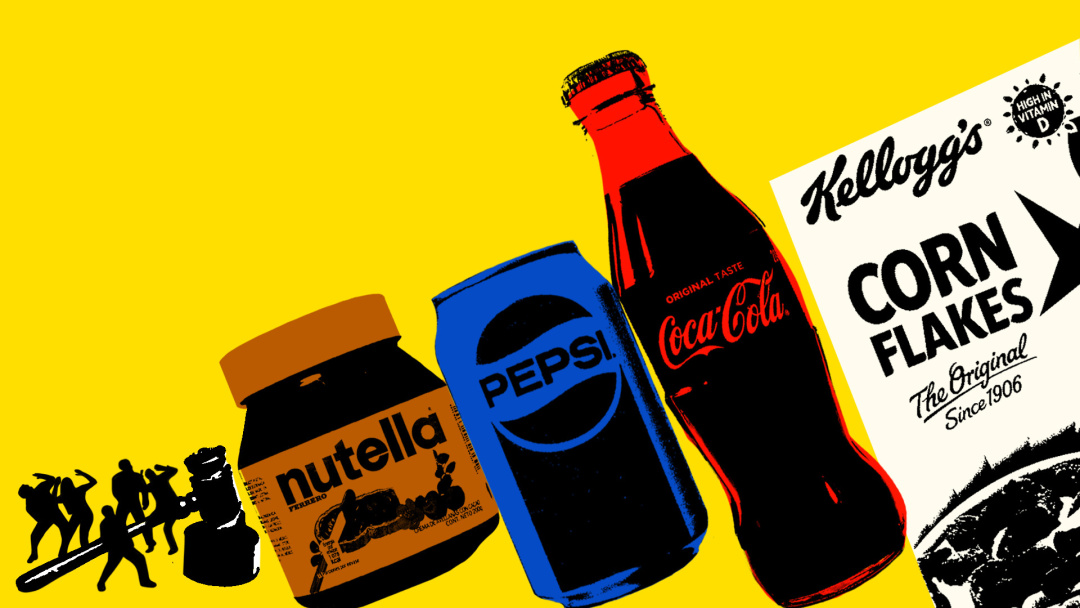
Bad diets are responsible for millions of deaths globally each year and contribute to significant healthcare costs, disproportionately affecting low-income communities. In response to this public health crisis, legislators and officials have enacted laws aimed at increasing transparency in food ingredients and restricting the marketing of unhealthy foods, particularly to children. However, major food companies like Coca-Cola, PepsiCo, and Mondelez have aggressively contested these measures through legal action. An investigation has uncovered that these corporations have filed 239 lawsuits from 2010 to 2025 across six countries—Mexico, Brazil, Colombia, India, the United Kingdom, and the United States—against public health policies targeting food and beverages. The lawsuits challenge regulations such as front-of-pack labeling, advertising restrictions on junk food aimed at children, and taxes on sugary drinks and ultra-processed foods. The cumulative effect of these legal challenges amounts to 595 years of litigation, which places a considerable burden on governments defending their health initiatives. Notably, over one-third of the lawsuits were initiated by just nine parent companies, with Coca-Cola, PepsiCo, and Mondelez leading the charge. This legal strategy not only prolongs the public health crisis but also incurs billions in legal and healthcare costs for countries. Furthermore, it creates a chilling effect on policymakers who wish to improve public health but lack the resources to engage in protracted legal battles. The investigation, conducted in collaboration with health academics and an international media coalition, highlights the tactics employed by transnational corporations to undermine public health efforts. In Mexico, for instance, 193 of the lawsuits were filed, primarily against the country's labeling regulations. Companies have argued that such laws violate their constitutional rights and demonize their products. In Brazil, lawsuits have persisted for decades, with industry associations often acting as plaintiffs to shield companies from negative publicity. The situation in Colombia is similarly troubling, where the cost of treating diseases linked to unhealthy foods reached an estimated 1.3 billion euros in 2021. The American Beverage Association has also engaged in legal challenges in the U.S., aiming to overturn local soda taxes. This pattern of legal resistance is not limited to Latin America; in Europe, industry groups frequently leverage legal threats to delay or derail public health legislation. The implications of these lawsuits extend beyond immediate legal costs, affecting the ability of governments to enact meaningful health policies that could improve population nutrition and combat the rising tide of obesity and related diseases.