Lumbee Tribe Faces Health Disparities After Federal Recognition
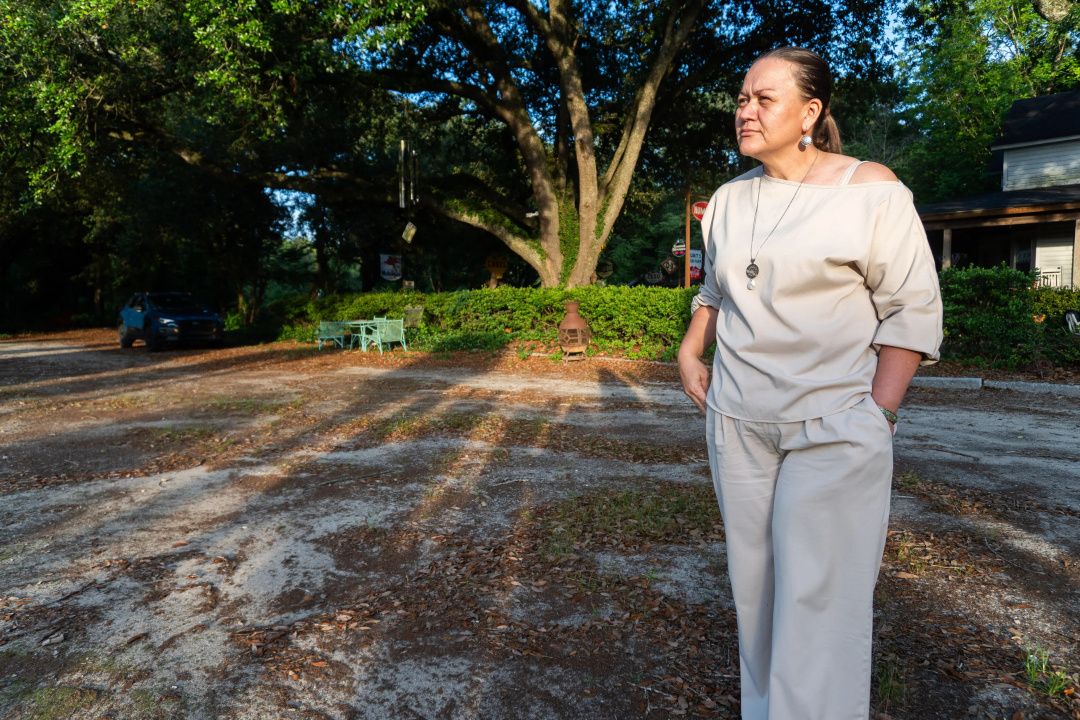
LUMBERTON, N.C. — In the heart of Robeson County, North Carolina, Angie Lowery's home is surrounded by soybean fields and adorned with relics of the past. Yet, it is her backyard garden that reflects her aspirations for a healthier future, filled with collard greens, bell peppers, and kale. Like many in her community, Lowery, a member of the Lumbee Tribe, has faced significant health challenges, including obesity and diabetes. With a determination to change her lifestyle, she has lost 120 pounds over two years and has eliminated her need for daily insulin shots.
The Lumbee Tribe, recently recognized as the 575th federally recognized tribe, celebrated this milestone, which promises access to federal funding for healthcare services. John Lowery, the tribe's chairman, emphasized that the most significant benefit would be access to the Indian Health Service (IHS), which provides crucial healthcare resources. However, experts caution that this funding may not be sufficient. The IHS has long been underfunded, with a budget shortfall estimated at nearly $55 billion, exacerbated by previous federal budget cuts.
For the 55,000 Lumbee citizens, the nearest IHS facility is over two hours away, making access to healthcare a daunting challenge. Robeson County is among the poorest in the nation, with alarming rates of heart disease, diabetes, and substance use. In 2025, more than half of the county's residents were enrolled in Medicaid, highlighting the dire health landscape.
Despite the promise of increased funding, Lumbee researchers and healthcare providers express skepticism about relying solely on IHS resources. They advocate for additional revenue sources, such as gaming, to address the community's health disparities. The tribe's efforts to establish a casino as a new revenue stream faced setbacks when a proposed constitutional amendment was rejected by over 60% of voters. This decision has left tribal leaders seeking alternative funding avenues to support healthcare initiatives.
Community members like Lowery are striving for healthier lifestyles, emphasizing the importance of diet and exercise in combating chronic health issues. Her family's transformation reflects a broader desire among Lumbee citizens to break free from the cycle of poor health. However, the community remains divided on the best path forward, with some fearing that gambling could exacerbate existing health problems.
As the Lumbee Tribe navigates its new status, the interplay between federal recognition, healthcare access, and community health remains complex. Researchers stress the importance of understanding the historical context of health disparities faced by the Lumbee people, which have roots in systemic racism and economic decline. The tribe's journey toward better health is not only about accessing resources but also about building trust within the healthcare system and fostering resilience among its members.
Angie Lowery's story embodies this resilience, as she continues to advocate for her family's health and the well-being of her community. The Lumbee Tribe's fight for recognition has opened doors, but the path to improved health outcomes will require ongoing effort and collaboration.