Lactobacillus crispatus Dynamics in the Vaginal Microbiome During Menstrual Cycle
The vaginal microbiome plays a crucial role in female reproductive health, with Community State Type I (CST-I), dominated by Lactobacillus crispatus, being closely associated with a healthy vaginal microecological state. A recent longitudinal study aimed to explore the transcriptional dynamics of Lactobacillus crispatus during the menstrual cycle, focusing on how its metabolic functions adapt to hormonal changes. The study involved a healthy reproductive-age woman with a stable CST-I microbiome, from whom vaginal secretion samples were collected at six non-menstrual time points throughout her menstrual cycle. The research utilized advanced sequencing techniques, including third-generation full-length 16S rRNA gene sequencing and metatranscriptomic analysis, to characterize the transcriptional dynamics of the vaginal microbiome.
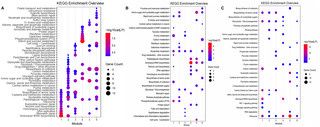
The findings revealed that Lactobacillus crispatus remained the dominant species throughout the menstrual cycle, with no significant changes in overall community composition. However, metatranscriptomic analysis indicated distinct phase-specific transcriptional reprogramming. For instance, during the pre-ovulatory phase, pathways related to DNA replication and central carbon metabolism were upregulated. On the first day after ovulation, pathways associated with carbohydrate utilization and quorum sensing showed increased expression. Conversely, during the mid-to-late luteal phase, pathways related to cell proliferation were generally downregulated, while those involved in cofactor biosynthesis and D-amino acid metabolism were upregulated.
This study highlights the importance of dynamic functional remodeling and metabolic plasticity in Lactobacillus crispatus, which may be key to its long-term persistence and ecological dominance within healthy CST-I vaginal communities. The research not only contributes to our understanding of the vaginal microbiome but also underscores the complex interactions between hormonal fluctuations and microbial metabolism. Such insights could have implications for women's health, particularly in understanding how the vaginal microbiome responds to various physiological changes.