Post-COVID Changes in T Cell Responses Linked to Mitochondrial Dysfunction
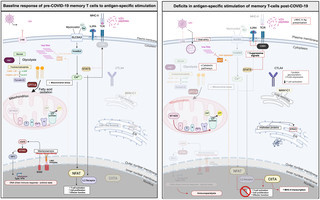
A recent study published in PLOS Pathogens has drawn attention to the rising infection rates of bacterial and viral pathogens following the COVID-19 pandemic, suggesting that mitochondrial dysfunction in T cells may play a critical role in this trend. The research indicates that individuals who contracted COVID-19 exhibit impaired T cell responses to common pathogens, which could explain the increased susceptibility to infections observed in the post-pandemic era.
The study involved analyzing peripheral blood samples from 31 individuals who were initially COVID-naïve and subsequently contracted COVID-19. Researchers assessed how their T cell responses to pathogens such as Influenza A, Staphylococcus aureus, and Varicella-zoster virus were affected by the viral infection. The findings revealed that post-COVID CD4 memory T cells showed decreased activation and altered mitochondrial metabolism, which correlated with a reduction in essential metabolites necessary for effective immune responses.
Specifically, the study found that the post-COVID plasma was depleted of carnitine and TCA cycle metabolites, which are crucial for fatty acid oxidation and energy production in T cells. This metabolic disruption resulted in diminished usage of catabolic pathways, leading to a weakened immune response against the pathogens tested.
Interestingly, the researchers discovered that activating mitochondrial function with medications such as metformin and ubiquinol could partially restore the impaired T cell metabolism. This suggests that there may be therapeutic avenues to enhance immune responses in individuals who have experienced COVID-19, especially among those who are immunologically vulnerable.
Overall, these findings underscore the potential long-term impacts of COVID-19 on immune function and highlight the importance of understanding the metabolic changes that occur post-infection. The implications for clinical care are significant, particularly as healthcare providers seek to address the ongoing challenges posed by increased infection rates in the post-pandemic landscape.