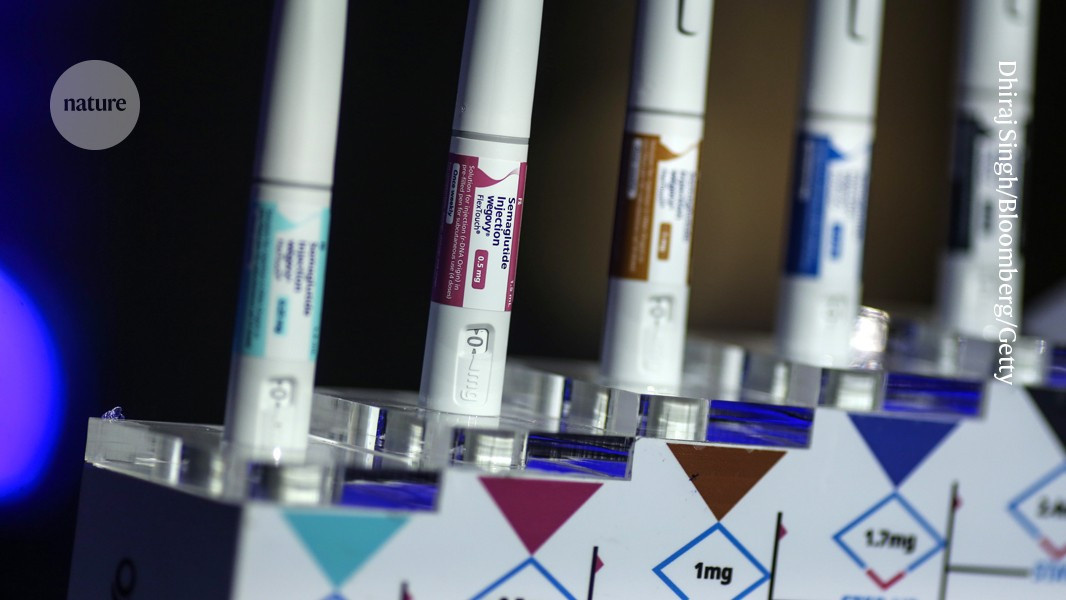
VA Launches Clinical Trial of GLP-1 Drug Semaglutide for Alcohol Abuse Treatment

The Department of Veterans Affairs (VA) has announced a significant clinical trial aimed at exploring whether semaglutide, an injectable GLP-1 drug commonly prescribed for diabetes and weight management, can also serve as a treatment for alcohol abuse, a persistent issue within the military and veteran communities. This trial is particularly crucial as excessive drinking has been a longstanding challenge in military culture, often tolerated or normalized in various contexts.
The study plans to enroll more than 600 veterans at 18 VA medical centers, reflecting a targeted effort to address alcohol use disorders that affect a notable portion of the veteran population. According to federal estimates, approximately 14% of veterans engage in alcohol abuse, a rate higher than the nearly 10% observed in the general population. This disparity is particularly pronounced among males and those who have served in combat zones, as well as veterans with traumatic brain injuries, who may face increased risks of developing alcohol use disorders.
Veterans Affairs Secretary Doug Collins emphasized the importance of this clinical trial, stating that it represents a unique opportunity for medical research that is specifically designed to benefit veterans. Participants in the trial will receive weekly injections of either semaglutide or a placebo over a 28-week period. Researchers will monitor changes in alcohol consumption, overall health, and quality of life, aiming to determine if this GLP-1 drug could provide a safe and effective new treatment option for alcohol abuse.
While early research suggests that GLP-1 medications may help reduce cravings and could potentially assist in treating alcoholism and other substance abuse issues, the body of evidence remains limited. The effectiveness, safety, and long-term effects of using semaglutide for addiction treatment are still under investigation, making this trial a critical step in understanding its potential benefits and limitations in this context. As the study progresses, it will contribute valuable insights into the complex relationship between substance use and the health of veterans, particularly in addressing the unique challenges they face.