Study Identifies Genes Linked to Gestational Diabetes via Single-Cell Analysis
Gestational diabetes mellitus (GDM) is a prevalent complication during pregnancy that can have lasting metabolic effects on both mothers and their offspring. A recent study published in PLOS One aimed to deepen the understanding of the genetic factors contributing to GDM by utilizing single-cell expression quantitative trait loci (sc-eQTL) data. This approach allows researchers to identify cell-type-specific genetic associations that traditional bulk tissue analyses may overlook.
In this study, researchers integrated genome-wide association study (GWAS) summary statistics from the FinnGen study, which included 12,332 cases and 131,109 controls, with sc-eQTL data from 12 immune cell types within the OneK1K cohort. By employing the OTTERS framework and ACAT-O omnibus testing, they conducted single-cell transcriptome-wide association studies (scTWAS) to pinpoint genes associated with GDM. This method revealed 14 unique genes significantly linked to GDM across different immune cell types, with the most robust signals detected in CD4+ T cells and monocytes. Notably, the genes ERAP1 and ERAP2 were found to be associated in 10 out of the 12 cell types analyzed, while RIOK2 emerged as a shared regulator across these cells.
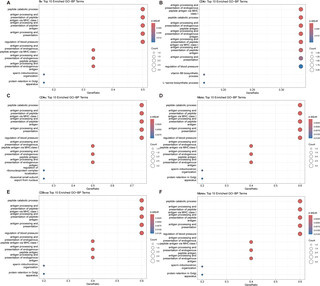
The study's functional enrichment analysis pointed to 'antigen processing and presentation via MHC class I' as the top enriched pathway, suggesting a potential link between immune response mechanisms and GDM. In contrast, traditional bulk-level TWAS using data from the GTEx project identified only two genes with nominal associations, underscoring the advantages of the single-cell approach in revealing genetic insights.
The findings of this study are significant as they highlight the dysregulated antigen presentation in peripheral immune cells in the context of GDM. The research also emphasizes the importance of considering cell-type-specific genetic effects, which are often masked in bulk tissue analyses. The study's results contribute to a more nuanced understanding of GDM's genetic architecture and may inform future research aimed at addressing the long-term health risks associated with this condition.
Overall, this research represents a critical step in linking genetic variation to gene regulation in the context of gestational diabetes, paving the way for further investigations into the cellular mechanisms underlying this common pregnancy complication.