Innovative Smart Ring Measures Blood Sugar Through Sweat Without Needles
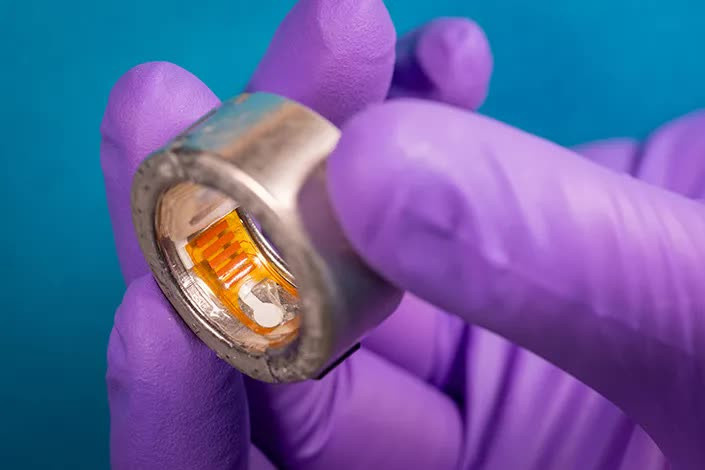
Researchers at the University of California, San Diego, have made strides in wearable health technology by developing a prototype smart ring capable of measuring blood sugar levels through sweat. This advancement could significantly benefit millions of individuals with type 1 diabetes, as well as some with type 2 diabetes, who currently rely on painful finger-prick tests or expensive continuous glucose monitors (CGMs) to manage their glucose levels.
The innovative ring not only tracks glucose but also monitors other important biomarkers such as ketones, vitamin C, uric acid, lactate, and alcohol concentrations. This is particularly valuable for individuals with type 1 diabetes, as elevated ketone levels can indicate a lack of insulin and potentially lead to diabetic ketoacidosis (DKA), a serious condition requiring immediate medical attention.
Despite ongoing speculation about glucose-monitoring capabilities in devices like the Apple Watch, this smart ring represents a tangible step forward in non-invasive glucose monitoring. The ring is designed to function without the wearer needing to sweat; it employs an osmotic hydrogel, a soft polymer that gently draws sweat from the skin using a pain-free pressure gradient. The device's electrochemical sensors continuously analyze the extracted sweat, calibrating the device and calculating concentration levels, with results transmitted wirelessly to a smartphone app.
In tests conducted with both diabetic and non-diabetic participants, the smart ring's glucose readings closely aligned with those from established commercial CGMs, while ketone measurements matched those obtained from blood meters. This suggests that the ring could serve not only those with diabetes but also athletes and health-conscious individuals interested in monitoring their nutrition and hydration.
However, the smart ring is still in the prototype stage and requires extensive validation before it can be brought to market. Key challenges include its short battery life of approximately 12 hours and the current bulkiness of the prototype. Nevertheless, the potential for a device that allows for continuous glucose monitoring without the discomfort of needles is a promising development for diabetes management.