Understanding Active Recovery: A 31-Day Plan for Muscle Recovery and Stress Relief

As summer progresses, many individuals are encouraged to take a moment to slow down and embrace the concept of active recovery. This approach to fitness emphasizes the necessity of rest, allowing muscles to recover and rebuild, thereby reducing the risk of injury and preventing burnout. However, recovery does not equate to complete inactivity. Instead, active recovery promotes gentle movement that feels good and helps release tension, improve flexibility, and encourage relaxation. Stephanie Mansour, a fitness contributor, highlights the empowering nature of giving oneself extra care during this period. She notes that engaging in enjoyable activities can lead to a more relaxed and limber body, alleviating aches and pains.
This month-long focus on active recovery introduces various modalities such as yoga, mobility exercises, foam rolling, stretching, and low-impact walking. Mansour encourages individuals to tune into their bodies, assessing what has been effective in their routines and what adjustments might be necessary. This reflective practice is particularly beneficial as the fall approaches, a time when many people seek to re-establish their fitness goals.
Mansour emphasizes the importance of recovery days, stating that constant pressure on muscles, bones, and joints is unsustainable. Active recovery allows for low-impact movement that enhances circulation without the stress of high-intensity workouts. She suggests activities like yoga, walking, foam rolling, or even massages as effective forms of active rest. Incorporating these practices into a regular routine can yield significant benefits, both physically and mentally.
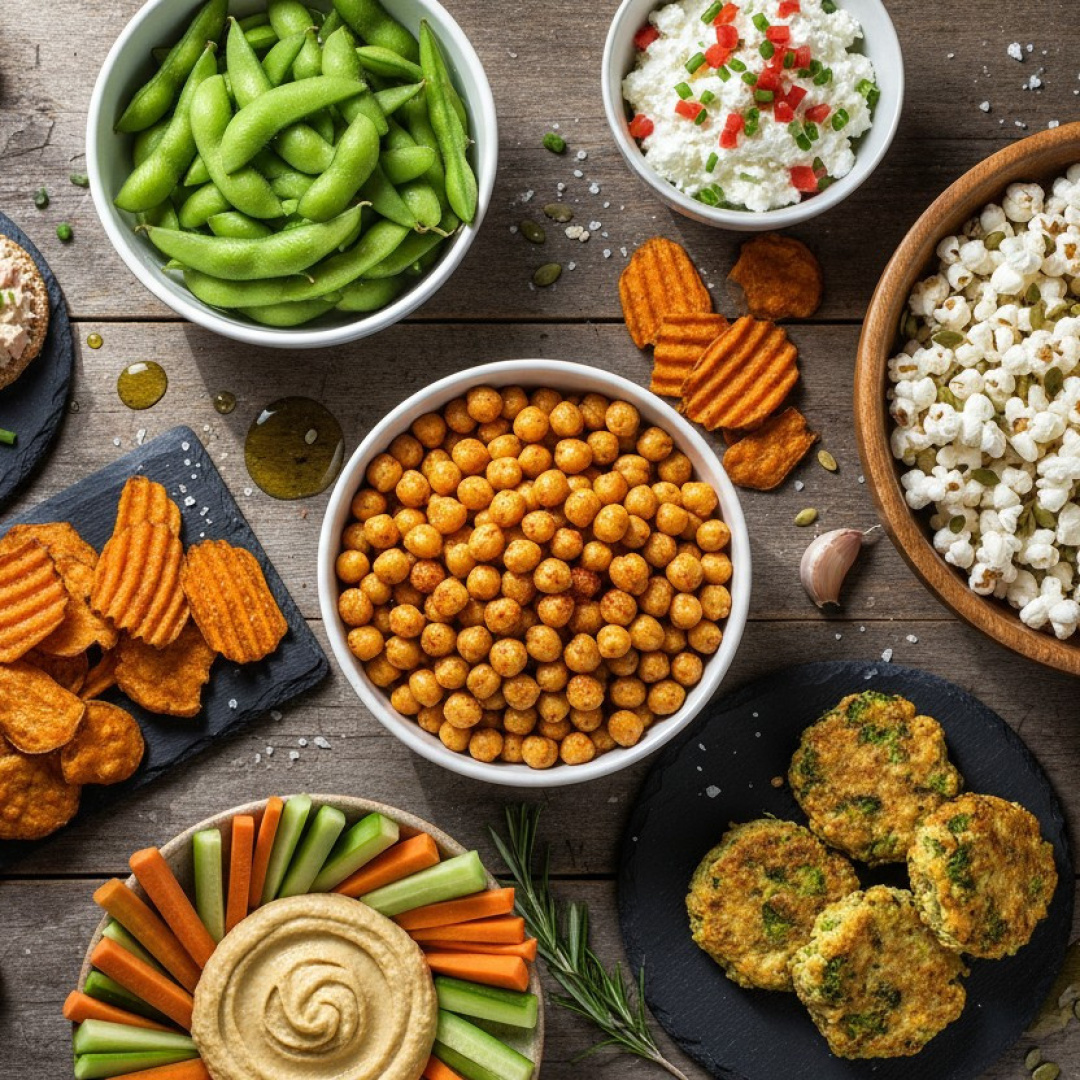
In addition to physical recovery, the article also addresses the importance of simplifying meal preparation during this period. Dietitian Natalie Rizzo shares time-saving tips and healthy eating strategies that can alleviate the stress associated with meal planning, allowing individuals to enjoy the remaining days of summer without the burden of extensive cooking. By focusing on both active recovery and efficient meal preparation, individuals can foster a holistic approach to wellness that nurtures both body and mind during this transitional season.