Exploring Menopause Treatment Options After Stroke: A Woman's Journey
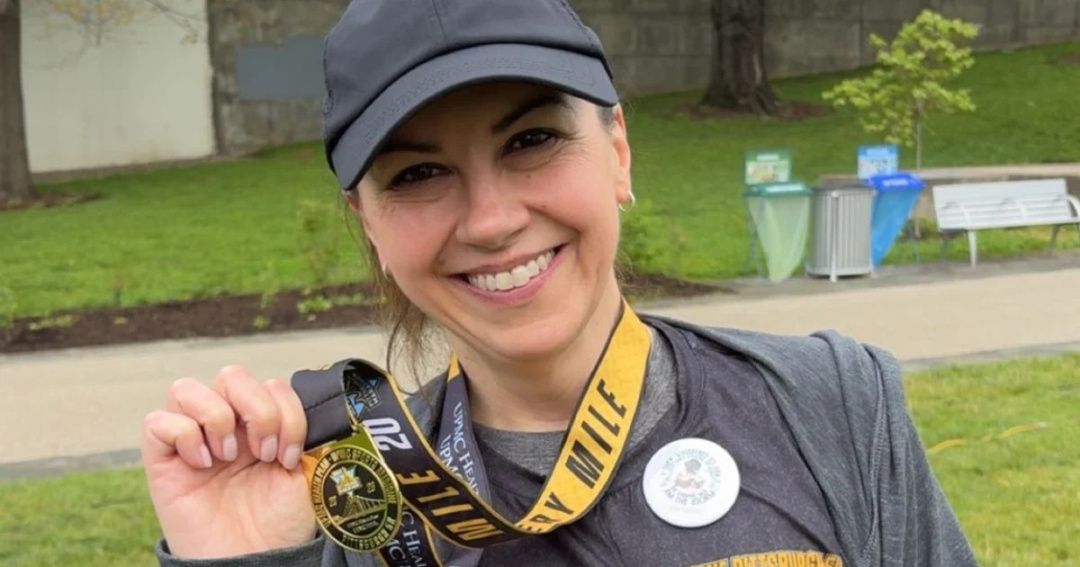
Jennifer Branik, 54, faced a life-altering experience when she first noticed numbness in her fingers, which escalated to a stroke diagnosis in February 2025. As she began her recovery, she also entered the challenging phase of perimenopause, grappling with symptoms such as insomnia and mood changes, all while being advised against hormone therapy due to her medical history. This situation is not uncommon for women who have experienced strokes or have heart disease, as hormone treatments can increase cardiovascular risks.
Dr. Anum Minhas, a cardiologist at Johns Hopkins, emphasizes that age is a significant risk factor for heart disease and stroke, particularly as estrogen levels drop during menopause. This hormonal shift can lead to increased blood pressure and changes in cholesterol levels, which may surprise many women who previously had stable health metrics.
Branik's experience illustrates the complexities women face when traditional hormone therapies are off the table. Experts like Dr. Eliza Miller and Dr. Rajita Patil highlight that while hormone therapy is effective for managing menopause symptoms, it carries risks for those with cardiovascular issues. Therefore, healthcare providers must carefully evaluate each patient's unique situation, weighing the benefits and risks of hormone therapy against their current health status.
For women like Branik, who cannot use systemic hormone therapy, alternatives exist. Non-hormonal medications such as fezolinetant and elinzanetant have been approved to manage menopause symptoms, targeting the brain's temperature-regulation system similarly to estrogen but through different mechanisms. Additionally, SSRIs and SNRIs can be utilized off-label to alleviate vasomotor symptoms.
Lifestyle changes also play a crucial role in managing menopause symptoms. Branik has adopted a healthy diet rich in vegetables, regular exercise, and mindfulness practices to support her mental health and overall well-being. She has developed a nighttime routine to improve her sleep quality, which is essential for her recovery and managing menopause symptoms.
The journey through menopause can be daunting, especially when compounded by health issues like stroke. However, experts stress that women have options and should not feel compelled to endure their symptoms without seeking help. As Branik's story shows, midlife can also be a time of personal growth and resilience, emphasizing the importance of tailored care and support during this transition.