UK Drought Highlights Urgent Need for Food Resilience Index Amid Crop Harvest Risks
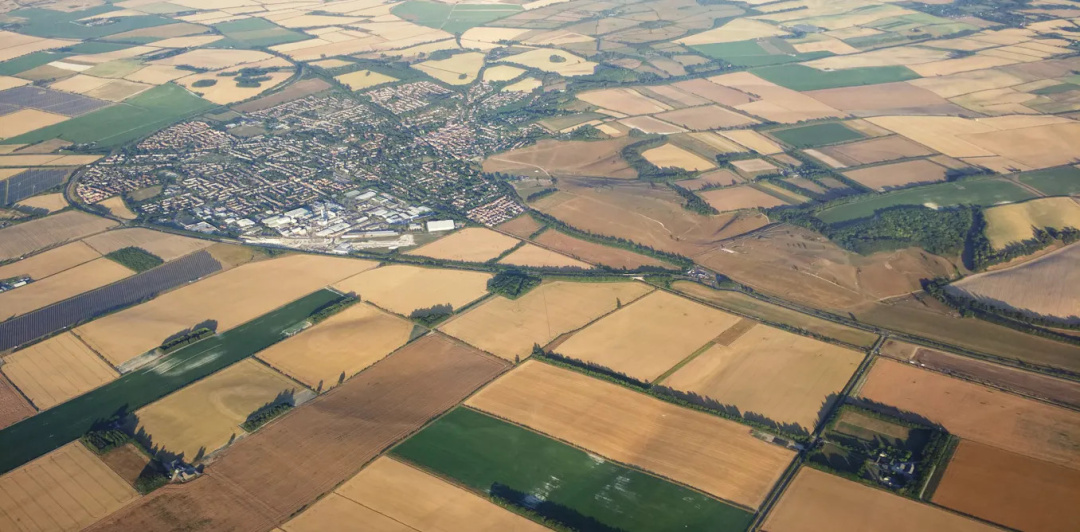
Much of England is currently experiencing official drought conditions, prompting water companies to closely monitor reservoir levels. Farmers are reporting dry soils and poor crop conditions, raising concerns about potential restrictions, such as grazing rules, that could soon be implemented. This drought not only threatens the water supply but also tests the resilience of the food system that relies on it.
For many consumers, the effects of such droughts become apparent in supermarkets, where empty shelves and rising prices for fresh produce have become increasingly common. The question arises: why does this situation seem to catch so many people off guard?
The UK has a robust system for monitoring various essential services, including monthly inflation figures and weekly NHS waiting lists. These indicators provide early warnings of potential issues, allowing for timely interventions. However, when it comes to food, the resilience of the system is often judged only after problems arise, which is a curious oversight given the fundamental importance of food security.
Food security refers to the availability of sufficient, safe, and nutritious food for the population, while food resilience describes the system's ability to continue functioning amidst disruptions, whether caused by extreme weather, geopolitical instability, or other factors. Despite the critical nature of food, there is currently no straightforward measure to assess the UK's food production and supply resilience over time.
The UK's food self-sufficiency has remained around 60% for many years, but the reliance on imports is concerning. For instance, only about 16% of the fruit consumed in the UK is domestically grown, and just over half of the vegetables are produced within the country. This heavy dependence on international supply chains makes the system vulnerable to climate extremes and geopolitical uncertainties.
Recent research indicates that approximately 70% of Britain's commercial greenhouses are over 40 years old, with much of the infrastructure for producing fresh produce nearing the end of its operational life. Despite this, investment in renewal has not kept pace with international competitors. While these statistics do not signal an immediate crisis, they collectively reveal the underlying condition of the food system.
In other sectors, such as healthcare, multiple indicators are used to assess overall health. For example, doctors consider various measurements rather than relying on a single statistic. Similarly, a food resilience index could provide a comprehensive view of the food system's health, combining indicators related to production capacity, external exposure, and future resilience.
The proposed food resilience index would not depend on one statistic but would integrate various indicators reflecting the food system's condition. This could include metrics for domestic fruit and vegetable output, greenhouse infrastructure renewal, and land availability for commercial production, alongside measures of import dependency and investment in new technologies.
Such an index would help identify weaknesses in the food system before they escalate into crises, allowing for targeted investments and better communication with consumers about food prices and availability. The current drought serves as a reminder that extreme weather events are likely to become more frequent, underscoring the necessity of monitoring food system resilience to mitigate future disruptions.