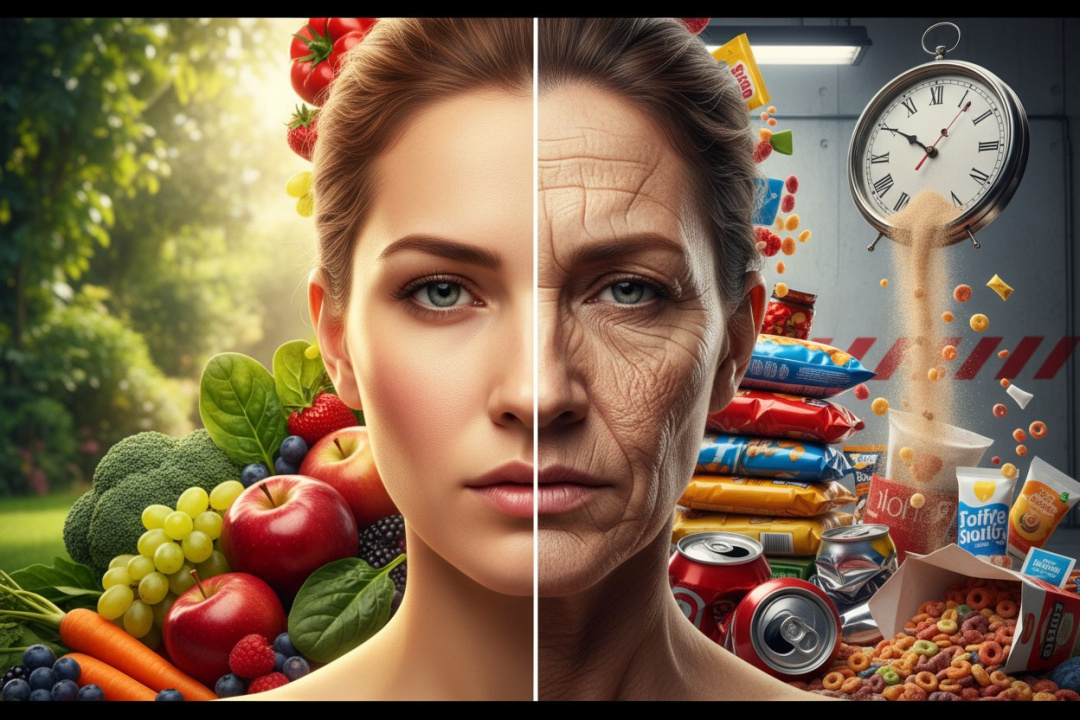
Study Reveals Ultra-Processed Foods Contribute to Increased Caloric Intake
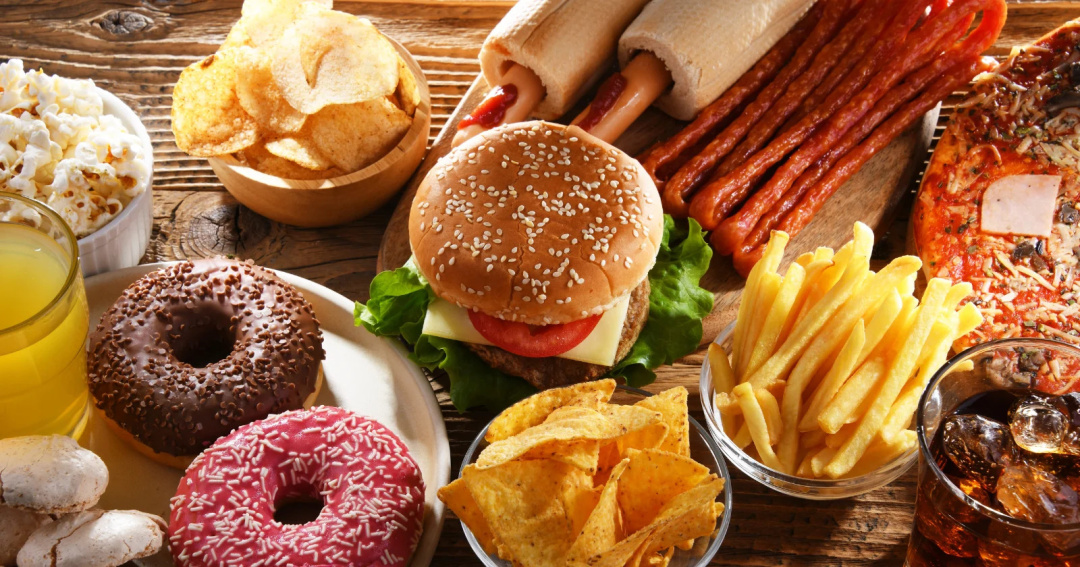
A recent study conducted at the National Institutes of Health has revealed that ultra-processed foods account for a significant portion of the average American's diet, comprising nearly sixty percent of total caloric intake. In this tightly controlled trial, twenty participants spent a month in a research ward where they were provided with meals tailored to their caloric needs. For two weeks, they consumed ultra-processed meals, followed by two weeks of unprocessed meals. Both meal types were nutritionally matched in terms of calories, energy density, and macronutrients, yet the results were strikingly different.
During the ultra-processed period, participants consumed about 508 additional calories each day, leading to an average weight gain of approximately 0.9 kilograms. In contrast, during the unprocessed phase, participants lost a similar amount of weight. Notably, participants were instructed to eat to their comfort without any restrictions on portion sizes or caloric intake, which underscores the study's design as a means to eliminate external factors that typically influence eating behavior.
The findings suggest that the differences in caloric intake cannot be attributed to the usual factors such as taste or convenience, as both meal types were rated similarly in terms of palatability. Instead, the study posits that the nature of ultra-processed foods, which are often softer and more calorie-dense, may lead individuals to consume them more quickly, thereby bypassing the body's fullness signals. This delay in satiety feedback could explain the increased caloric intake observed.
However, it is important to note that this study, while revealing, is not definitive. With a small sample size and a controlled environment that does not reflect typical eating conditions, the results should be interpreted with caution. The study's design effectively removes common excuses for food choices, such as price and convenience, yet it raises questions about long-term effects and individual adaptability to different food types.
The implications of this research extend beyond individual discipline. It highlights the structural issues surrounding food choices in the American diet, where ultra-processed foods dominate. According to data from the National Center for Health Statistics, ultra-processed foods account for 55 percent of total calories consumed by Americans, with higher consumption rates among younger populations.
While the study provides valuable insights into how food processing may influence eating behavior, it does not establish a clear mechanism for these effects. Further research is needed to explore the long-term impacts of ultra-processed food consumption and the specific features of these foods that contribute to increased caloric intake. As always, individuals considering dietary changes, especially in relation to health conditions or medications, should consult with healthcare professionals for personalized advice.