Exploring Social Determinants of Health in Women with Type 2 Diabetes in Thailand
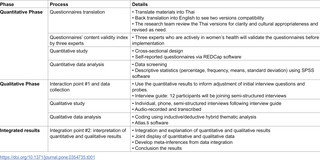
A recent study protocol outlines a research initiative aimed at understanding the social determinants of health (SDoH) and postnatal well-being among women with type 2 diabetes mellitus (T2DM) in Thailand. This research is particularly significant as it addresses the ongoing physical, psychological, and social needs of women affected by diabetes during pregnancy and after childbirth. The study recognizes that SDoH can have a more profound impact on health outcomes than healthcare services or personal lifestyle choices alone.
The proposed study will employ an explanatory sequential mixed-methods design, which consists of two phases. The first phase involves culturally adapting and translating the Postnatal Well-being in Transition scale into Thai. The second phase will focus on collecting quantitative and qualitative data from 50 postnatal women with T2DM who have delivered within the past six weeks. Participants will provide information on their demographics, social determinants of health, and postnatal well-being. Additionally, 12 women will be selected for in-depth interviews to gain insights into their experiences.
This study is crucial as it aims to explore how women with T2DM navigate their health and well-being during the postpartum period. Previous research has indicated that these women face unique challenges, including difficulties with breastfeeding and maintaining stable blood glucose levels, particularly when separated from their newborns due to health issues. Moreover, many women report inadequate support from healthcare providers during this critical transition.
The research will be conducted across two public hospitals in Thailand, one in an urban setting and the other in a suburban area, to capture a diverse range of experiences. The study's objectives include quantitatively describing the SDoH and postnatal well-being during the diabetes transition and qualitatively exploring women’s lived experiences related to these factors. By integrating findings from both quantitative and qualitative data, the research aims to provide a comprehensive understanding of postnatal well-being among Thai women with T2DM.
The study has received approval from the Human Research Ethics Committee at Ramathibodi Hospital, Mahidol University, ensuring that ethical standards are maintained throughout the research process. The findings from this study are expected to contribute valuable insights into the specific needs of women with T2DM during the postnatal period, ultimately informing the development of culturally appropriate interventions and health policies to improve postpartum outcomes.