American Heart Association Endorses Up to Five Cups of Coffee Daily with Caution
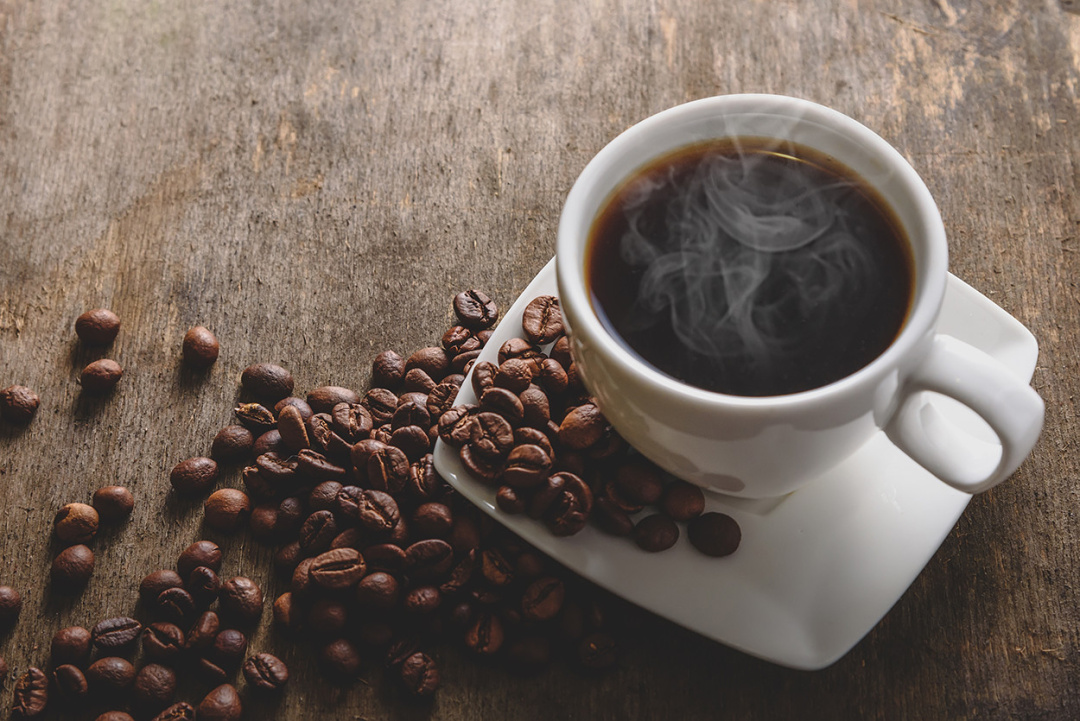
The American Heart Association (AHA) has recently endorsed the consumption of up to five cups of caffeinated coffee per day as safe for the average adult, and it may even confer health benefits. Frank Hu, a professor of Nutrition and Epidemiology at Harvard's T.H. Chan School of Public Health and a co-author of the AHA statement, noted that while the data is reassuring for those already consuming coffee, it is not yet a recommendation for non-drinkers to start coffee as a preventive measure.
Research from large cohort studies, including the Nurses’ Health Study and the Health Professionals Follow-Up Study, indicated no long-term adverse effects on blood pressure or heart rhythms in participants who limited their coffee intake to the recommended range. Additionally, drinking up to five eight-ounce cups of coffee has been associated with a lower risk of developing Type 2 diabetes, heart disease, heart failure, and stroke. While several hypotheses exist regarding these benefits, Hu emphasized the need for further research to clarify the underlying mechanisms.
Coffee is not just a source of caffeine; it also contains various bioactive compounds, including polyphenols, which may contribute to health improvements. Studies suggest that the metabolism of these polyphenols by gut bacteria produces beneficial metabolites that can reduce oxidative stress and chronic inflammation, potentially enhancing insulin sensitivity. Furthermore, coffee is rich in chlorogenic acid, which has been shown to improve glucose metabolism. These compounds are present in both regular and decaffeinated coffee.
However, Hu cautioned against equating coffee with energy drinks, which typically contain significantly higher caffeine levels along with added sugars and other stimulants. These drinks may pose health risks not associated with coffee consumption. The AHA recommends that healthy adults limit their caffeine intake to a maximum of 400 milligrams per day. For context, a 16-ounce serving of Bang Energy contains 300 milligrams of caffeine, while brands like Celsius and Prime Energy have around 200 milligrams.
When considering coffee consumption, Hu pointed out that serving size matters. A standard 12-ounce cup of coffee equates to about three cups per day, and excessive sugar and cream can negate the health benefits associated with coffee. He emphasized the importance of moderation and mindful consumption, noting that while coffee can be beneficial, it should be consumed thoughtfully to maintain its health advantages.