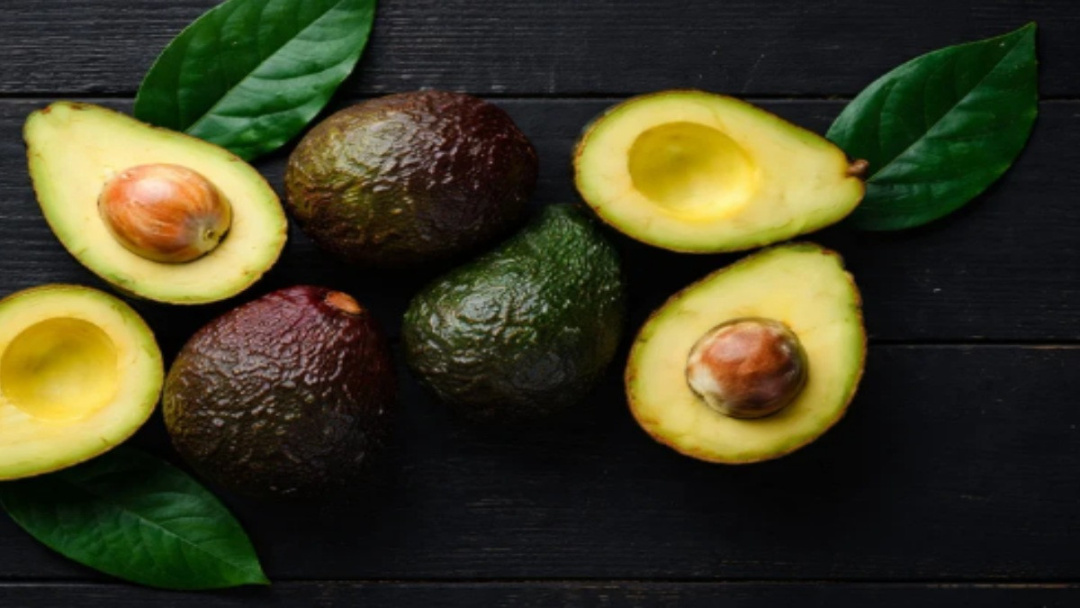
Avocado Consumption Linked to Improved Heart Health and Diet Quality
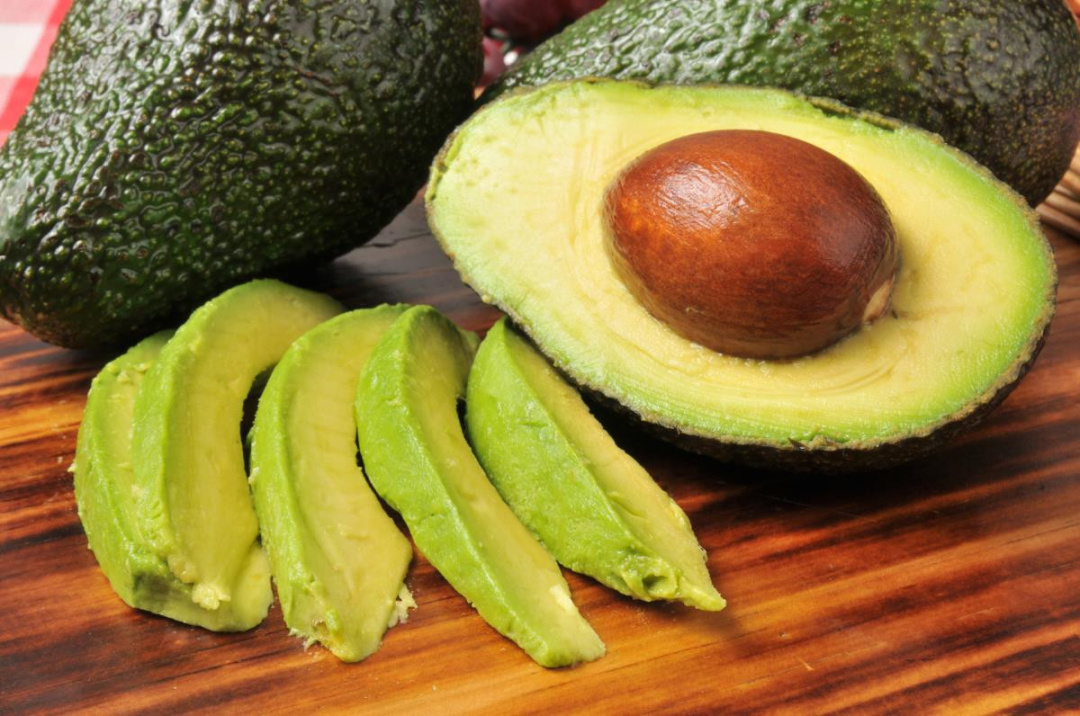
For many years, dietary fat has been viewed with suspicion, often linked to increased health risks. However, recent studies are reshaping this narrative, particularly through the lens of the avocado, a fruit that is unique for its high unsaturated fat content. A significant study known as the Habitual Avocado Trial involved nearly 1,000 participants with elevated waist circumference, examining the effects of adding one whole avocado to their daily diet for six months. Surprisingly, participants did not experience weight gain despite the fruit's caloric content of 200 to 300 calories, and their overall diet quality improved.
This research is particularly relevant in light of current health statistics, which indicate that fewer than 12% of Americans are metabolically healthy. Nutrition plays a crucial role in enhancing public health, and avocados present a practical solution. They are one of the few fruits that contain unsaturated fats, specifically 6 grams per serving, with over 70% of their fat being heart-healthy monounsaturated fat, similar to that found in olive oil. Studies have shown that substituting unsaturated fats for saturated fats can reduce the risk of cardiovascular diseases.
According to the British Heart Foundation, consuming two or more servings of avocado weekly can lower cardiovascular disease risk by 16%. A study published in the Journal of the American Heart Association found that replacing a quarter of a medium avocado for other fats such as butter or margarine can lead to a 22% reduction in cardiovascular disease risk.
The historical context of dietary fat perception is significant. During the 1990s, a widespread fear of fat led food manufacturers to replace fats with sugars and refined carbohydrates, resulting in increased obesity and metabolic syndrome rates. Avocados offer a corrective perspective, emphasizing that the quality of fats is more important than quantity.
Fiber intake is another critical aspect of nutrition, with only 6% of Americans meeting the daily recommended intake of 25 to 35 grams. Avocados contribute to this need, with one medium avocado providing approximately 13.5 grams of fiber, nearly half of the recommended daily intake. Fiber is essential for digestion, satiety, and lowering LDL cholesterol levels.
Despite their calorie content, avocados are nutrient-dense, offering over 20 vitamins and minerals, including potassium, vitamin E, and B vitamins. They also contain polyphenols and other beneficial plant compounds. The unsaturated fats in avocados enhance the absorption of fat-soluble vitamins from other foods, exemplifying the concept of food synergy. For instance, adding avocado to a salad can increase the absorption of carotenoids by up to 15 times.
The Habitual Avocado Trial also found that participants who consumed avocados daily saw a 14-point drop in their overall dietary glycemic load, which is associated with better blood sugar control and a lower risk of Type 2 diabetes. This improvement was achieved through substitution rather than restriction, with participants incorporating avocados into various dishes, replacing added sugars and unhealthy fats.
Blood sugar management is a pressing concern, with only about 10% to 12% of Americans considered metabolically healthy. Avocados can help stabilize blood sugar levels by slowing digestion and reducing spikes caused by carbohydrates. For breakfast, adding half an avocado to toast can transform a high-carb meal into one that provides sustained energy and fullness.
The findings from the avocado research emphasize the importance of adding nutrient-dense foods to the diet rather than focusing solely on restrictions. Participants in the study improved their diet quality scores, maintained their weight, and experienced measurable reductions in total and LDL cholesterol levels. The research highlights three key principles: prioritize addition over subtraction, consider the synergistic nature of meals, and trust in the practical science of real food consumption. Avocados stand out as a unique food that enhances diet quality, supports heart health, and aids in blood sugar management without requiring the elimination of other beloved foods.