Food Safety Tips for Prewashed Lettuce Amid Cyclospora Outbreak
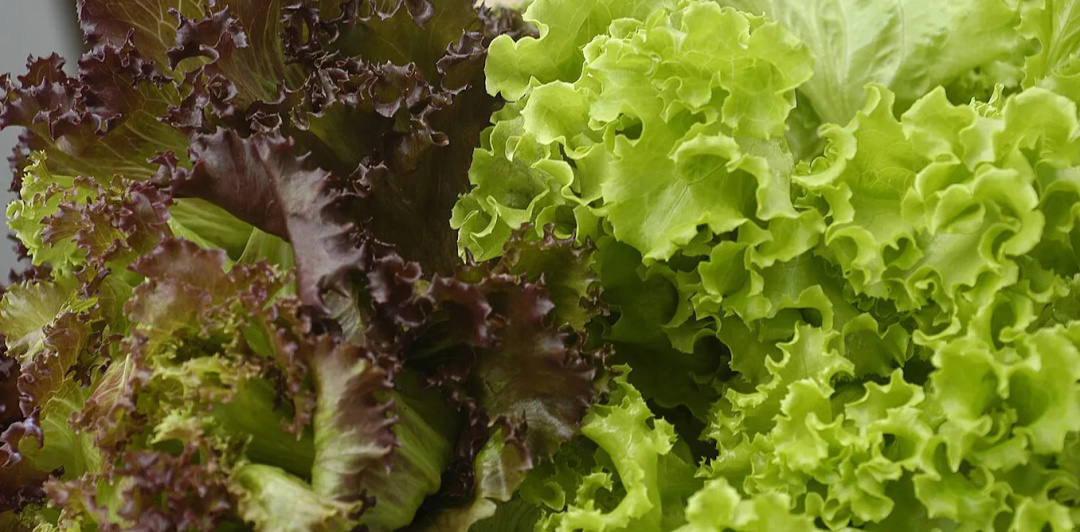
Salads and other fresh produce are among the healthiest foods available, packed with essential vitamins and minerals such as vitamins A, C, K, folate, potassium, and magnesium. They are also high in fiber, which supports gut health, promotes satiety, regulates blood sugar, and may aid in healthy aging and cognitive function. However, an ongoing outbreak of cyclosporiasis, caused by the cyclospora parasite, has sickened over 11,500 individuals in the United States, leading to gastrointestinal symptoms like explosive diarrhea. This outbreak has significantly impacted salad consumption, with a recent poll indicating that 40% of U.S. adults have reduced their intake of fresh produce. The situation is compounded by recalls of eggs and blueberries and investigations into additional cyclospora outbreaks. As an immunologist and infectious disease specialist, I understand that while it is impossible to completely eliminate the risk of foodborne illnesses caused by microbes such as cyclospora, E. coli, and salmonella, there are sensible food safety practices that can help mitigate these risks while allowing people to enjoy the benefits of salads and fresh vegetables. During an active outbreak, it is advisable to wash prewashed greens. However, choosing whole heads of lettuce and washing them at home is even better. Bagged lettuce, often labeled as "triple washed" or "prewashed," has gained popularity due to its convenience, giving consumers confidence that the product has been cleaned and is ready to eat. Research indicates that when vegetables are easier to prepare, people tend to consume more of them. While commercial processors adhere to food safety practices and millions of bags of produce are consumed safely each year, it is important to note that "prewashed" does not equate to sterile. The term indicates that the product has been cleaned to commercial standards but does not guarantee freedom from harmful germs. Each stage of production—from harvesting to packaging—presents opportunities for contamination. Additionally, bagged lettuce often travels long distances to reach consumers, allowing germs time to multiply and complicating the tracing of contaminated products. Research shows that cut leaves can release plant juices that help bacteria survive and thrive. Cyclospora is resistant to chlorine and sanitizers commonly used for washing produce, and routine washing may not fully eliminate the parasite. It adheres tightly to the surfaces of leafy greens and other bumpy produce, making prevention during growing, harvesting, and processing the most effective strategy for reducing risk. To minimize exposure during the current outbreak, it is wise to choose whole heads of lettuce, wash them thoroughly under running water, and dry them with a salad spinner or paper towels. Whole heads of lettuce undergo less processing than bagged varieties, resulting in fewer chances for contamination. Locally grown produce is also a safer option, as it typically comes from smaller farms and reaches consumers with fewer steps in the supply chain. Purchasing lettuce from local farmers' markets or selecting locally grown options at supermarkets can further reduce the risk of exposure during this cyclospora outbreak, which is believed to stem from commercial producers. The key takeaway is that the health benefits of consuming salads far outweigh the relatively small risk of foodborne illness, especially when following these three simple guidelines: opt for whole heads of lettuce when possible and rinse them well at home; scrub other produce thoroughly with water and a produce brush; and give bagged and prewashed greens a good rinse even if they are labeled as prewashed.