Study Reveals BatR's Role in Biofilm Formation and Antibiotic Resistance
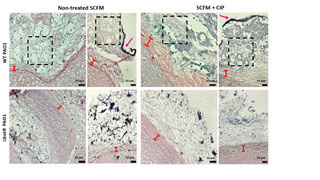
Pseudomonas aeruginosa, a multidrug-resistant opportunistic pathogen, poses a significant clinical challenge due to its ability to form biofilms associated with chronic infections and increased antibiotic resistance. A recent study focused on the previously uncharacterized gene PA3049, now renamed Biofilm architecture Regulator (BatR), which is upregulated under biofilm conditions. The study found that BatR promotes biofilm establishment and enhances survival in sub-inhibitory concentrations of antibiotics. Proteomic analyses indicated that BatR influences the R2/F2 pyocin cluster, which is crucial for explosive cell lysis and the release of extracellular DNA (eDNA) during biofilm development. Additionally, BatR interacts with the uncharacterized Ser/Thr protein kinase SrkA, which regulates biofilm and pyocyanin production, as well as lysis-mediated eDNA release. These findings suggest that BatR and SrkA work together to modulate key biofilm-associated phenotypes, particularly in response to antibiotic challenges in lung infections. The clinical relevance of BatR was further validated through high-validity infection models, including an ex vivo pig lung model of cystic fibrosis and a synthetic chronic-wound model. The study underscores the importance of the BatR/SrkA system in the response of Pseudomonas aeruginosa biofilms to antibiotic treatment, highlighting its potential implications for managing chronic infections.














