New York City Mayor's Proposal for Government-Owned Grocery Stores Raises Concerns
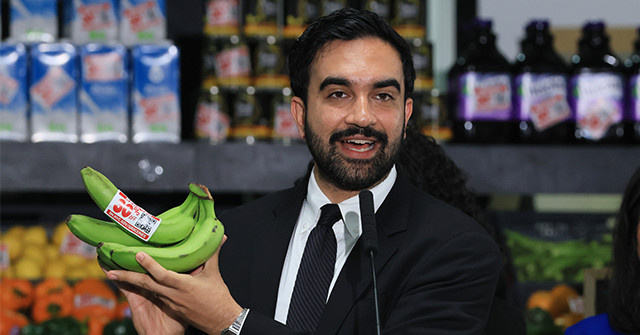
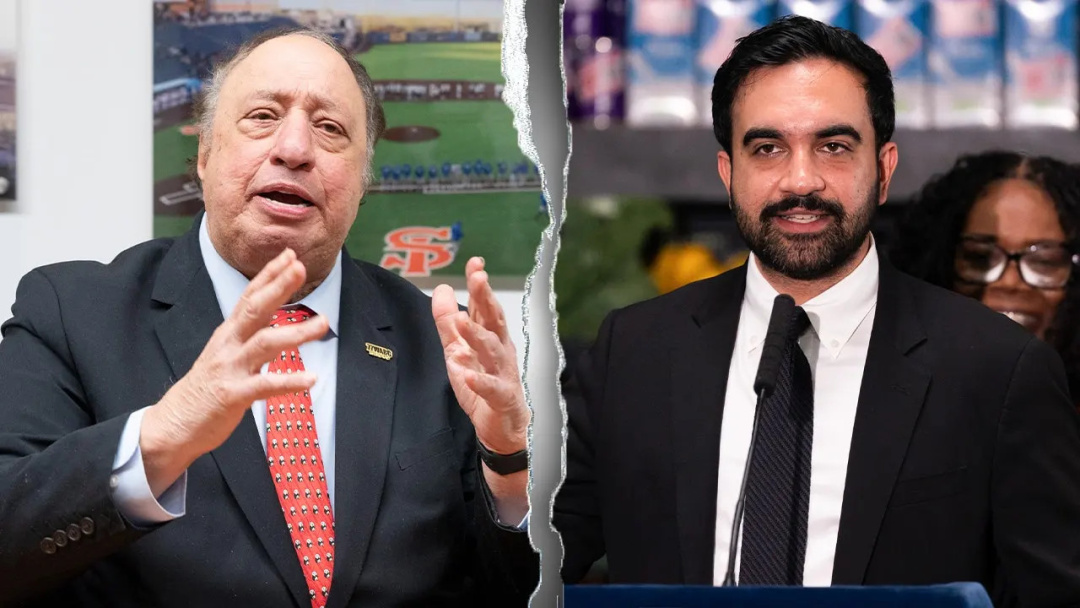
New York City Mayor Zohran Mamdani's initiative to launch a series of government-owned grocery stores, referred to as 'Mamdegas,' is taking shape. The stores are set to offer discounts of up to 30 percent on a selection of essential items, including produce, meat, and other staples. However, this proposal has ignited a debate regarding its implications for local businesses and the overall grocery market in the city.
The Mamdegas will not be directly managed by the city. Instead, private operators will be invited to bid for contracts to run these stores, with one planned for each borough. The city will cover construction costs, waive property taxes, and subsidize operational expenses to maintain the discounted prices. This has led to concerns among private grocers, who argue that the subsidized competition undermines their businesses, creating an uneven playing field.
Mamdani has emphasized that the goal of the Mamdegas is to provide affordable food options for New Yorkers, particularly those from low-income households. The stores will focus on a 'core basket' of government-approved healthy groceries, which includes items like fruits, vegetables, dairy products, and grains. Notably, the stores will not offer hot food or sell alcohol and tobacco products, purportedly to avoid direct competition with local businesses that provide these items.
Despite the intentions behind the Mamdegas, challenges loom regarding supply and demand management. The fixed pricing model may lead to shortages if demand exceeds supply, as the stores will not be able to adjust prices dynamically in response to market conditions. This could result in empty shelves, particularly for low-income families who rely on these stores for affordable groceries.
Determining the baseline for the 30 percent discount will also pose difficulties. The city will need to regularly survey local grocery prices to set appropriate discount levels, but this process may lead to outdated pricing information, potentially causing fluctuations in the perceived value of the discounts.
Moreover, there are concerns about potential hoarding and reselling of products purchased at the Mamdegas. The city may need to implement restrictions on purchase quantities to prevent individuals from buying out inventory for resale, which could further complicate access for regular shoppers.
As the Mamdegas prepare to open, the effectiveness of this initiative in meeting the needs of New Yorkers remains uncertain. While the program aims to enhance food accessibility, it may inadvertently create new challenges that could affect the very communities it seeks to support. The ongoing discussions surrounding the Mamdegas highlight the complexities of addressing food insecurity and the delicate balance between public initiatives and private enterprise.