Convenience Surpasses Health as Primary Driver of Grocery Purchases in 2026
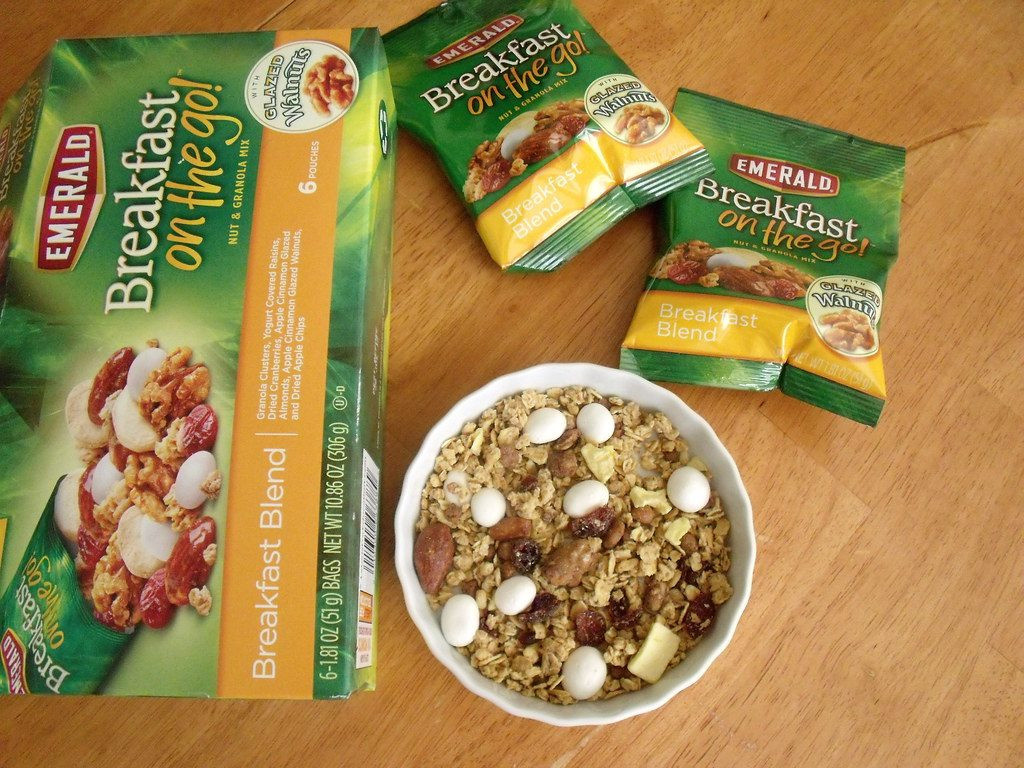
In a notable shift in consumer behavior, convenience has become the leading driver of grocery purchases, surpassing healthfulness for the first time in the International Food Information Council’s 2026 Food & Health Survey. This survey indicates that the percentage of consumers prioritizing convenience rose from 52% in 2025 to 61% in 2026. Healthfulness, while still important, was cited by 56% of respondents, with taste remaining the top consideration at 88% and price following closely at 78%. This trend suggests that while nutrition remains a concern, consumers increasingly demand that health benefits come with ease of consumption and appealing flavors.
The changing landscape of consumer preferences is exemplified by products like Quaker’s new Oat Shake & Go, which provides a quick, nutritious breakfast option that can be prepared directly in its bottle. Chef David Moldovan, culinary director for UFC Ignite, notes that the fast-paced nature of modern life requires brands to innovate in ways that save time without compromising quality. He emphasizes that successful products must combine convenience with clear labeling, simple ingredients, and taste.
KidFresh, known for its convenient frozen meals for children, echoes this sentiment in its report on family mealtime trends, stating that parents are increasingly viewing nutrition and convenience as complementary rather than opposing priorities. The evolving dinner routines reflect a shift towards smaller meals and snack-style eating, which are more compatible with busy schedules.
Betty Kaufman, strategy director for The Culinary Edge, highlights that the need for convenience is not merely about being on the go but also about navigating unpredictable daily schedules. This has led to a rethinking of how food products are marketed, focusing on consumption moments rather than traditional meal times.
The rise of GLP-1 medications, changing appetites, and new cooking habits are also influencing consumer choices, with a growing preference for foods that emphasize portion control and nutritional benefits without requiring extensive preparation. Marty Bauer, an ecommerce and retail expert at Omnisend, points out that while consumers are cooking less, they are also dining out less frequently due to rising prices, creating a demand for convenience-oriented retail products that offer affordable meal solutions.
Brands like Amy’s Kitchen are responding to this demand by expanding their offerings of frozen meals, which provide low-effort options at competitive prices. As summer approaches, the desire for quick meal solutions is likely to increase, as many consumers prefer not to cook in hot weather.
In a related discussion, Chris Campbell from the Food Institute engages with CEO Brian Choi to explore the disconnect between economic indicators and the realities faced by consumers and food businesses. They discuss how persistent food inflation and consumer sentiment are influencing purchasing behaviors, highlighting the complexities of the current food landscape.