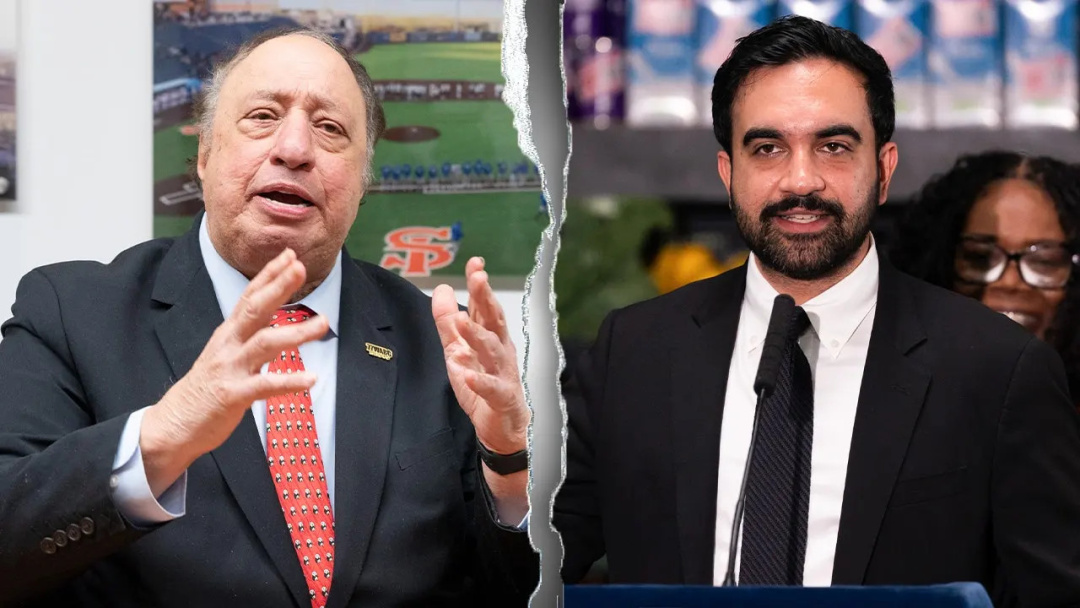
NYC Mayor Mamdani's Grocery Store Plan Faces Economic Scrutiny
New York City Mayor Zohran Mamdani's plan to open several city-backed grocery stores has sparked significant debate among economists and local business advocates. The initiative promises a 30% discount on a core basket of groceries, but experts are questioning whether this ambitious pledge can be realized without significant financial repercussions for taxpayers and local businesses.
The central concern revolves around the feasibility of offering groceries at prices significantly lower than those of private competitors, especially in light of a nationwide increase in grocery prices by 33% since 2019. Economists are asking how the city intends to sustain these discounts while maintaining operational viability. Mamdani's administration claims that the plan will save the average New Yorker about $1,000 annually by stabilizing grocery costs and eliminating overhead expenses faced by private grocers, such as rent and property taxes.
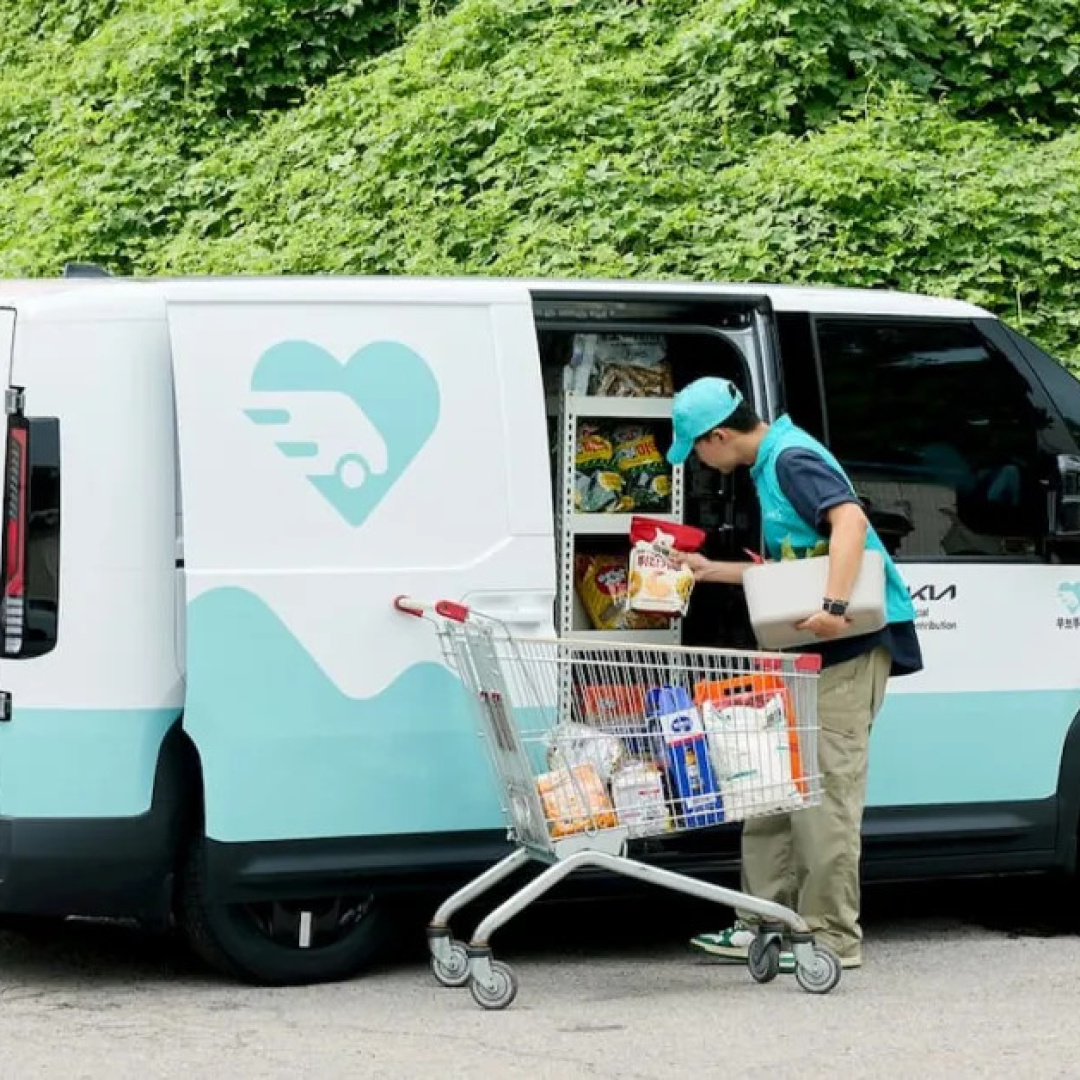
According to the Bureau of Labor Statistics, food prices have risen sharply since the COVID-19 pandemic, with many grocery categories remaining more expensive than pre-pandemic levels. The city's strategy involves contracting private operators to manage the stores while the city absorbs major occupancy costs and sets pricing standards. This model raises questions about the sustainability of the discounts and the potential reliance on taxpayer funding to cover any shortfalls.
Richard Stern, vice president of the Plymouth Institute for Free Enterprise, expressed concerns that the proposal essentially shifts grocery costs from consumers to taxpayers, suggesting that the discounts may be illusory. Adam Lehodey, a policy analyst at the Manhattan Institute, echoed this sentiment, stating that the city’s ownership model obscures the true costs of the discounts, which could lead to unintended consequences, such as reselling and shortages due to artificially low prices.
E.J. Antoni, chief economist at the Heritage Foundation, highlighted that grocery stores typically operate on razor-thin profit margins, making the proposed discounts financially unsustainable without significant taxpayer support. He warned that this could create an unfair competitive landscape for private supermarkets that must cover their own operating costs.
The city plans to open five municipal grocery stores, with the first expected to launch in the Bronx by the end of 2027. While the administration claims that the initiative will deliver substantial savings, the allocation of $70 million in capital funding for the project raises further questions about the long-term financial implications for New Yorkers. As the plan progresses, it will be crucial to monitor its impact on local food access, the viability of private grocery businesses, and the overall economic landscape of the city.