The Great Oxidation Event: How Cyanobacteria Changed Earth's Atmosphere
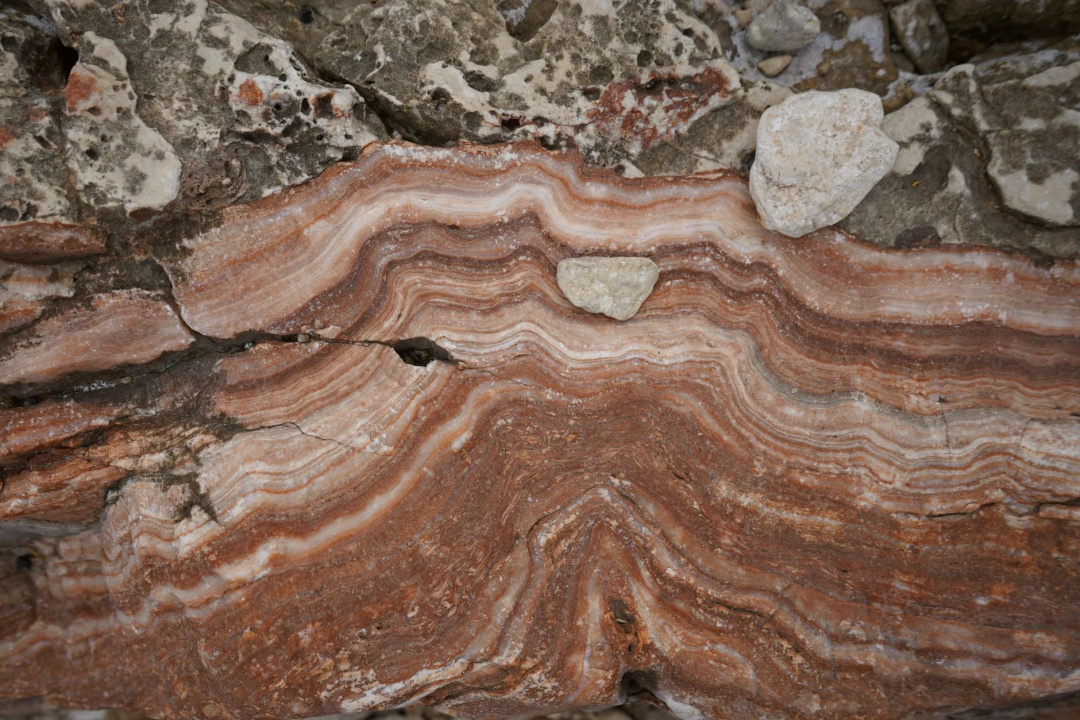
The Great Oxidation Event, which occurred approximately 2.4 billion years ago, represents a pivotal moment in Earth's history when cyanobacteria began to release oxygen as a byproduct of photosynthesis. For much of the early Earth, the atmosphere was devoid of free oxygen, creating conditions that were lethal to many forms of life. However, with the advent of oxygenic photosynthesis, cyanobacteria utilized sunlight to convert water and carbon dioxide into organic matter, releasing molecular oxygen into the atmosphere. Initially, this oxygen was absorbed by rocks, seawater, and volcanic gases, but eventually, it began to accumulate in the atmosphere, marking a significant shift in Earth's chemical landscape.
The consequences of this oxygen accumulation were far-reaching. Oxygen reacted with various elements and compounds, disrupting the established anaerobic ecosystems and altering nutrient cycles. It also played a crucial role in the removal of methane, a potent greenhouse gas that may have helped maintain a warm climate on early Earth. The reduction of methane levels is believed to have contributed to severe glaciations, including ice deposits at tropical latitudes, leading some scientists to describe this period as a form of planetary pollution catastrophe.
While the notion that every atom of oxygen in the atmosphere today can be traced back to this event is compelling, it is essential to approach this claim with caution. Oxygen atoms are continuously recycled through various processes, and the link between the rise of oxygen and the decline of methane remains a hypothesis rather than a definitive sequence of events. The evolution of oxygenic photosynthesis likely predates the Great Oxidation Event, and the exact timing and mechanisms of these changes are still subjects of ongoing research.
Geological evidence, such as sulfur isotopes and the presence of certain minerals, provides insights into the atmospheric conditions before and after the Great Oxidation Event. The transition from an anoxic to an oxygenated atmosphere was not instantaneous; it involved complex interactions among various geological and biological processes. The rise of oxygen allowed for the development of an ozone layer, which in turn reduced ultraviolet radiation reaching the Earth's surface, creating new ecological opportunities.
The Great Oxidation Event did not signify a complete transition to the modern atmosphere we know today. Estimates of oxygen levels during this period vary widely, and much of the deep ocean remained devoid of oxygen for an extended time. This slow accumulation of oxygen was crucial for the eventual emergence of complex life forms, as it enabled aerobic metabolism and the evolution of diverse ecosystems.
In summary, the Great Oxidation Event was a transformative period that reshaped Earth's atmosphere and biosphere. The interplay between cyanobacteria, oxygen production, and methane reduction highlights the intricate balance of Earth's systems and the profound impact of microbial life on the planet's evolution. Understanding this event not only sheds light on the history of our atmosphere but also underscores the delicate interconnections that sustain life on Earth today.














