Understanding the Severity of Cyclosporiasis and Its Impact on Gastrointestinal Health
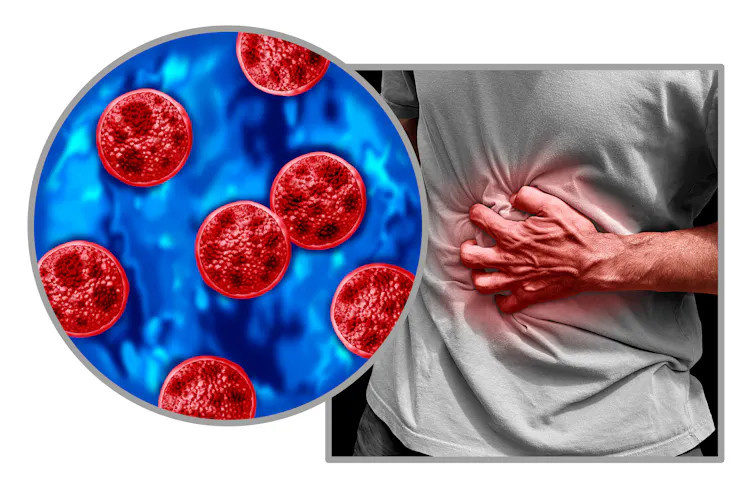
A recent outbreak of cyclosporiasis in the U.S. has resulted in over 4,100 reported cases as of July 2026, primarily linked to contaminated produce imported from Mexico. Cyclosporiasis, caused by the microscopic parasite Cyclospora cayetanensis, leads to severe gastrointestinal distress, including explosive diarrhea. Understanding the immune response to this parasite is crucial in explaining why some individuals experience mild symptoms while others suffer severe or prolonged illness.
Unlike many bacteria that produce toxins damaging body tissues, Cyclospora infects the cells lining the small intestine. Symptoms arise mainly from the body’s immune response to the parasite. The severity and duration of the infection largely depend on how effectively the immune system can control it. In healthy individuals, helper T cells play a critical role in this immune response. These cells release interferon-gamma, a chemical that signals infected tissues to halt the replication of the parasite and deprive it of nutrients.
However, even after the parasite is eliminated, the intestinal lining requires time to heal, which can prolong symptoms. Vulnerable populations, such as young children, older adults, and those with weakened immune systems, are at greater risk for severe infections. Symptoms can include not only diarrhea but also loss of appetite, flatulence, cramps, nausea, fatigue, body aches, and fever.
The incubation period for Cyclospora is about one week, during which the parasite builds up in the gut and begins to damage the intestinal lining. For individuals with compromised immune systems, the absence of effective immune commanders leads to severe infections, frequent relapses, and higher risks of complications.
Children under five are particularly affected due to their developing immune systems and lack of prior exposure to the parasite. While repeated exposure can help older children and adults develop a more effective immune response, deliberately exposing children to the parasite is dangerous and not a substitute for vaccination.
Older adults face similar risks, as aging weakens the immune system, making it harder to clear infections. The thymus, which produces infection-fighting immune cells, shrinks with age, resulting in fewer T cells that can effectively combat infections.
Currently, there is no vaccine for cyclosporiasis, and diagnosis is made through stool sample testing. The standard treatment involves antibiotics taken for 7-10 days. While most healthy adults can eventually control the infection, those with weakened immune systems require early diagnosis and prompt treatment to prevent severe complications. Overall, cyclosporiasis underscores the critical role of a robust immune system in managing infections and highlights the need for public health awareness regarding food safety and hygiene practices.