Lentils: A Nutrient-Dense Source of Protein and Fiber for Healthy Meals
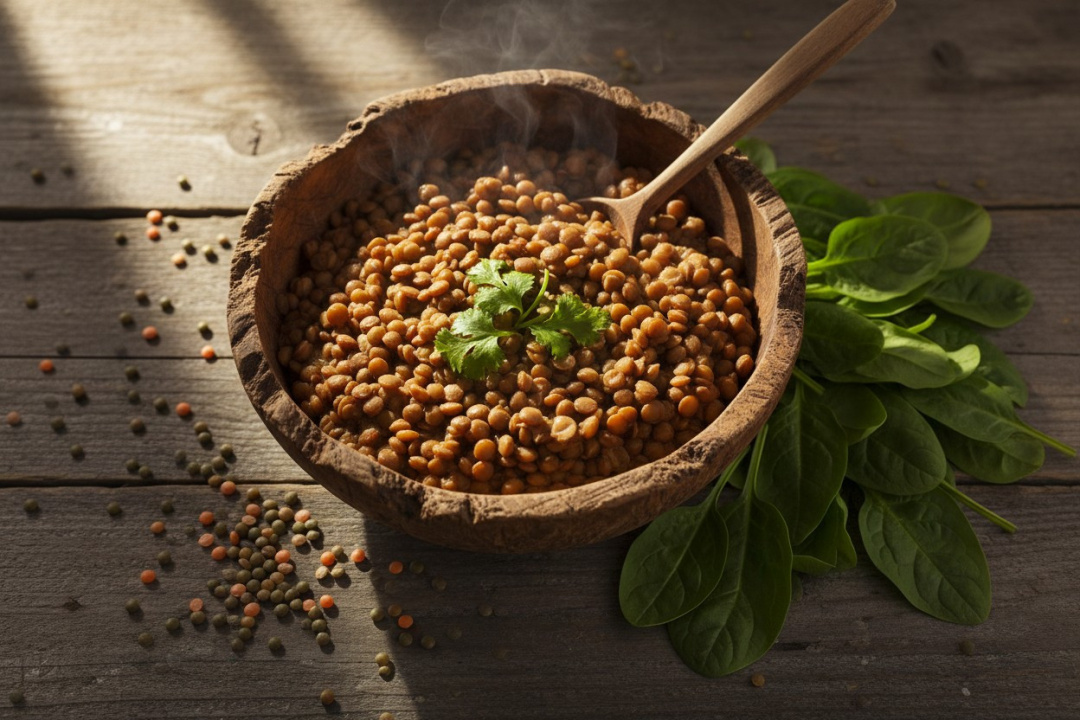
Lentils are increasingly celebrated for their nutritional density, offering a wealth of protein and fiber that can enhance a healthy diet. According to data from the U.S. Department of Agriculture (USDA), a single cup of cooked lentils contains 17.9 grams of protein and 15.6 grams of fiber, which is more than what is found in two large eggs or a 5-ounce container of Greek yogurt. This makes lentils an excellent plant-based protein source, ideal for those looking to incorporate more whole foods into their meals.
Nutrition experts highlight that lentils are not only rich in protein but also packed with dietary fiber, folate, magnesium, iron, and other essential micronutrients that support various health aspects. Whole foods like lentils can provide equal or greater protein than typical protein shakes while also delivering fiber and minerals that processed supplements often lack.
USDA data indicates that lentils and spinach are among the top vegetables providing over 35 percent of the daily value for iron per cooked cup serving. Each cup of cooked lentils contains 230 calories, 39.8 grams of carbohydrates, and only 0.75 grams of fat, making them a nutritious addition to any meal.
In addition to their protein and fiber content, lentils are high in folate, thiamine, copper, iron, magnesium, manganese, phosphorus, potassium, and zinc. Dietary experts note that one cup of lentils can fulfill up to 65 percent of the minimum daily necessary dietary fiber, which is crucial for digestive health.
Research has shown that the magnesium and potassium in lentils help regulate blood pressure, while their fiber content supports healthy blood lipid levels. A 2020 review in the journal Nutrients corroborates these claims, emphasizing the health benefits of legumes, including lentils, in reducing risks associated with hypertension and high cholesterol. Furthermore, the combination of fiber and protein in lentils promotes satiety, which can aid in weight management.
However, some individuals may experience digestive discomfort, such as gas and bloating, when increasing their intake of high-fiber foods like lentils. Dietitians recommend gradually increasing fiber consumption to allow the digestive system to adapt, as sudden changes may lead to discomfort. It is also advised to cook lentils thoroughly and pair them with grains or vegetables that can aid digestion.
Culinary experts suggest various ways to incorporate lentils into meals, including soups, stews, salads, veggie burgers, and traditional dishes like dal and curry. Lentils come in several varieties, including red, green, and French, each offering unique flavors and textures. They are widely available canned or dried in grocery stores, making them an accessible option for consumers looking to meet their protein and fiber needs without relying on animal products.
Regular consumption of lentils and other legumes is associated with significant improvements in key health markers, including cardiovascular and metabolic function. This makes lentils not only a versatile ingredient but also a powerful ally in promoting overall health and well-being.