FDA Approves Awiqli, the First Once-Weekly Long-Acting Insulin for Type 2 Diabetes
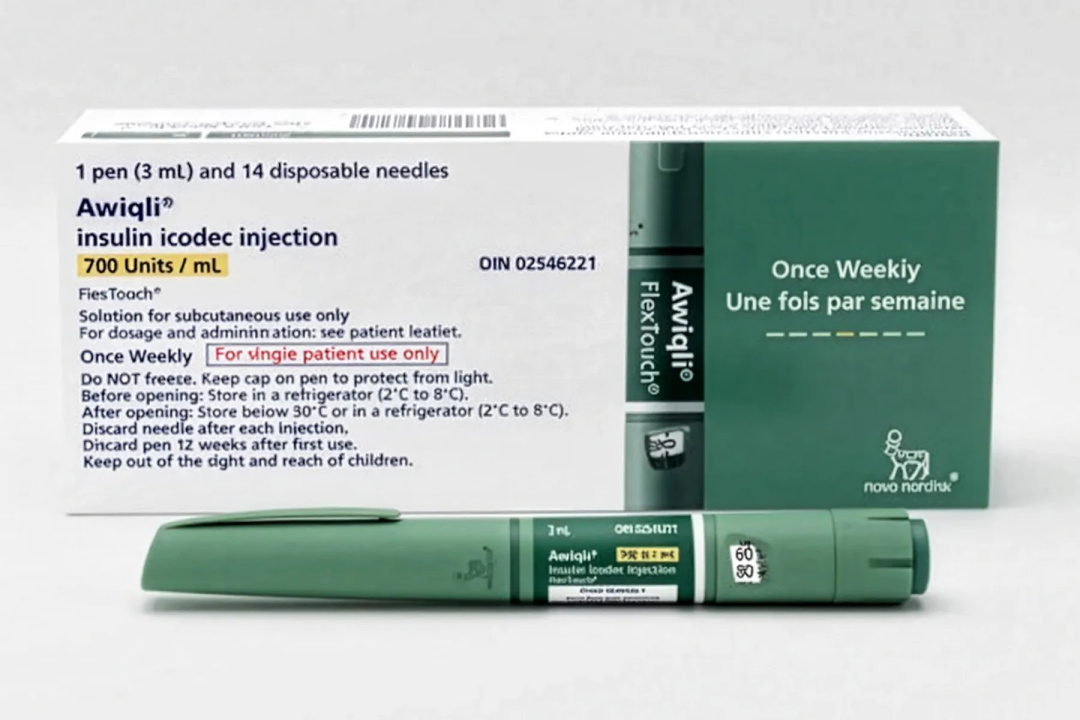
Awiqli (insulin icodec-abae) has received FDA approval as the first once-weekly long-acting basal insulin injection for adults with type 2 diabetes. This medication is designed to help lower blood sugar levels when used alongside a healthy diet and regular exercise. Administered as a subcutaneous injection with a prefilled FlexTouch pen, Awiqli is intended to be taken on the same day each week.
Type 2 diabetes is characterized by the body's difficulty in regulating blood sugar levels, which, if unmanaged, can lead to serious complications such as heart disease, kidney damage, nerve issues, and vision loss. Many individuals with this condition require insulin to maintain their blood sugar within a healthy range, often necessitating daily injections.
Awiqli stands out as the only long-acting man-made insulin (U-700) available in the U.S. that is formulated to last an entire week. Its active ingredient, insulin icodec-abae, binds loosely to a blood protein known as albumin, creating a reservoir that gradually releases insulin into the bloodstream. This mechanism mimics the action of natural human insulin, providing a consistent dose and maintaining stable blood sugar levels throughout the week.
The significance of this approval lies in its potential to reduce the frequency of basal insulin injections from seven to one per week, offering a more convenient option that can be adjusted to fit individual lifestyles and routines.
The FDA's decision was informed by clinical studies comparing Awiqli to daily basal insulin. These studies demonstrated that once-weekly Awiqli effectively lowered A1c levels, a key marker indicating average blood sugar levels over time, in approximately 2,680 adults with uncontrolled type 2 diabetes. Participants used Awiqli in conjunction with either oral or injectable diabetes medications or alongside mealtime insulin.
Awiqli's safety profile is similar to that of other long-acting basal insulins, with the most common side effect being low blood sugar (hypoglycemia). Other frequently reported effects include injection site reactions, skin thickening or pits at the injection site (lipodystrophy), itching, rash, or swelling in the legs or feet (peripheral edema), and weight gain. Serious risks may include severe allergic reactions, low potassium levels (hypokalemia), and heart failure when used with certain medications known as thiazolidinediones (TZDs). Notably, Awiqli has not been established as safe or effective for use in children or adolescents.
Patients are advised to use Awiqli strictly as prescribed by their healthcare provider. The injection should be administered subcutaneously in the thigh, upper arm, or abdominal area on the same day each week, with careful rotation of injection sites to avoid areas of damaged skin. It is crucial to ensure that the insulin appears clear and colorless before injection and to avoid mixing or diluting Awiqli.
Before starting Awiqli, individuals should inform their healthcare provider of any existing health conditions, particularly liver or kidney issues, heart problems, or if they are pregnant or breastfeeding. Caution is advised regarding activities that require alertness until the effects of the medication are known, and patients should avoid alcohol during treatment.
Patients must also communicate with their healthcare provider about all medications they are taking, as interactions can affect insulin efficacy. Monitoring for signs of hypoglycemia is essential, and Awiqli should not be used during hypoglycemic episodes. Changes in diet, physical activity, or weight may necessitate adjustments in insulin dosage. Awiqli is expected to be available across the U.S. in the coming months.