Study Reveals High Premenstrual Syndrome Prevalence in Female Students in Lebanon
Premenstrual syndrome (PMS) is a common condition affecting women of reproductive age, characterized by a range of physical and emotional symptoms that can significantly impact daily life. A recent observational cross-sectional study conducted among female university students at Beirut Arab University in Lebanon aimed to estimate the prevalence of PMS, identify associated risk factors, and assess management practices among this demographic. The study, which took place from April 20 to May 8, 2026, involved 1,062 participants who completed a self-administered questionnaire that assessed sociodemographic, menstrual, lifestyle, behavioral, psychosocial, and management-related factors.
The findings revealed that 46.8% of the participants screened positive for moderate-to-severe PMS, while 16.5% exhibited symptoms consistent with premenstrual dysphoric disorder (PMDD). The most frequently reported symptoms included physical discomfort (69.7%), fatigue (68.8%), depressed mood (67.8%), and food cravings (66.2%). Notably, 37.2% of the participants reported academic absenteeism due to their symptoms, underscoring the condition's impact on their educational experience.
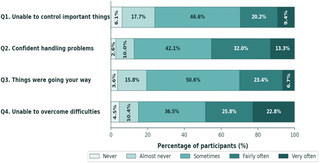
In terms of management, 39% of those with moderate-to-severe PMS reported using pharmacological treatments, primarily non-steroidal anti-inflammatory drugs (NSAIDs). However, only 45.8% of these medication users perceived their treatments as very effective. The study identified several risk factors associated with moderate-to-severe PMS, including smoking, heavy menstrual bleeding, high rates of meal skipping, increased fast-food consumption, higher social media addiction scores, and elevated perceived stress levels.
These findings highlight the need for targeted awareness and intervention strategies at universities to address PMS and its associated risk factors. The study calls for improved screening and counseling to support female students in managing their symptoms effectively and enhancing their quality of life. As PMS remains under-recognized in Lebanon, further research and educational efforts are essential to address this prevalent issue among young women.