Economic Burden of Type 2 Diabetes Linked to Social Determinants of Health
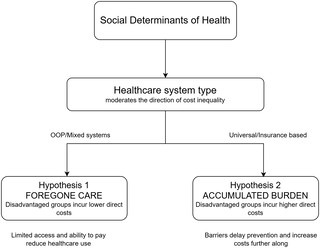
A systematic review has highlighted the economic burden of Type 2 Diabetes Mellitus (T2DM) as it relates to various social determinants of health (SDH) such as education, income, employment, residency, and ethnicity. This review, conducted by researchers from King’s College London, sought to understand how these non-medical factors contribute to health inequalities and the economic costs associated with T2DM treatment. The study systematically searched multiple databases, including MEDLINE and Embase, for peer-reviewed articles that provided insights into the cost differences of treating T2DM based on SDH. A total of 19 articles were included in the review, revealing that in healthcare systems with high out-of-pocket expenses, individuals from Black and Hispanic backgrounds, as well as those living in rural areas, often faced higher treatment costs that were not necessarily reflective of their clinical needs but rather their ability to pay. The review also noted that indirect costs, such as lost productivity due to absenteeism, were lower among unemployed and lower-income groups, further exacerbating health disparities. The findings underscore the significant economic impact of T2DM on healthcare systems worldwide, with direct costs projected to reach 1.51 trillion dollars by 2030, alongside indirect costs of 0.73 trillion dollars. The review emphasizes the necessity for further exploration into how decreased healthcare access and costs affect treatment outcomes, advocating for policies that prioritize clinical need over socio-economic factors. This research is crucial in understanding the broader implications of health disparities and the need for equitable healthcare delivery.