Examining the Effects of Semaglutide Withdrawal on Weight and Cardiometabolic Health
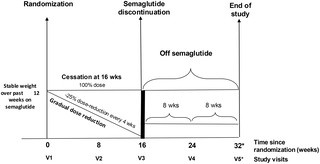
Recent research has highlighted the impact of glucagon-like peptide-1 (GLP-1) receptor agonists, such as semaglutide, on weight loss and cardiometabolic health in individuals living with obesity. While semaglutide has been effective in promoting significant weight loss, many individuals experience weight regain after stopping the medication abruptly, which can reverse its beneficial effects on cardiometabolic factors. To address this issue, a randomized controlled trial is being proposed to evaluate whether a gradual reduction in semaglutide dosage prior to complete discontinuation can mitigate weight regain and improve cardiometabolic outcomes compared to immediate cessation of the drug.
The trial will include participants aged 18 to 75 years with obesity or overweight and adiposity-related complications, who have been receiving semaglutide and have achieved at least a 10% reduction in body weight. Participants will be randomly assigned to either a gradual dose reduction group or an immediate cessation group. The primary outcome will focus on the percentage change in body weight after 16 weeks of treatment discontinuation, while secondary outcomes will include changes in blood pressure and levels of ghrelin, a hormone related to appetite regulation.
This study is significant as it seeks to fill a gap in the current understanding of how to manage the withdrawal of semaglutide effectively. Previous research has primarily concentrated on the effects of continued treatment versus abrupt withdrawal, without exploring alternative strategies like gradual dose reduction. The anticipated findings could have important implications for clinical practices, particularly for individuals who may face challenges in maintaining weight loss after stopping medication. If successful, this approach could lead to more sustainable obesity management strategies that help preserve the health benefits gained during treatment. The trial is set to begin recruitment in March 2026 and aims to provide insights into the physiological responses associated with weight regain following the cessation of GLP-1 receptor agonists.