Exploring High-Protein Options for a Balanced Diet
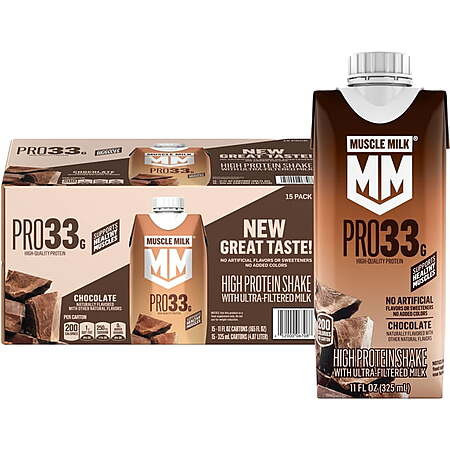
In today's health-conscious world, high-protein foods are gaining popularity for their potential benefits in supporting satiety and muscle maintenance. Incorporating protein into your diet can be a straightforward way to enhance your meals while promoting a balanced approach to nutrition. Rather than focusing solely on supplements or shakes, consider integrating whole food sources of protein that can provide additional nutrients and flavor to your dishes.
One effective way to boost your protein intake is by including a variety of protein-rich foods in your meals. Options such as legumes, nuts, seeds, dairy, eggs, and lean meats can easily be added to your favorite recipes. For instance, adding chickpeas or lentils to salads not only enhances the protein content but also increases fiber, which can aid in digestion and help you feel fuller for longer. Similarly, incorporating Greek yogurt into smoothies or as a topping for fruits can provide a creamy texture along with a protein punch.
Meal prepping is another practical strategy to ensure you have high-protein options readily available. By preparing meals in advance, you can control the ingredients and portion sizes, making it easier to stick to your nutritional goals. Consider cooking a large batch of quinoa or brown rice, which can serve as a base for various dishes throughout the week. Pair these grains with grilled chicken, tofu, or beans, and add a variety of vegetables for a well-rounded meal.
Mindful eating practices can also enhance your experience with high-protein foods. Taking the time to savor your meals can help you tune into your hunger cues and recognize when you are satisfied. This approach not only fosters a healthier relationship with food but can also prevent overeating. Pay attention to how different protein sources make you feel, and adjust your choices based on your body's responses.
Hydration is another essential aspect of a balanced diet that is often overlooked. Drinking enough water throughout the day can support digestion and overall health. When consuming high-protein meals, ensure you are also staying hydrated, as protein metabolism requires adequate fluid intake.
Lastly, remember that balance is key. While protein is important, it should be part of a diverse diet that includes carbohydrates, healthy fats, vitamins, and minerals. Strive for a colorful plate filled with a variety of foods to ensure you are meeting your nutritional needs. By focusing on whole foods and mindful eating, you can enjoy the benefits of high-protein meals without the pressure of strict dieting or unrealistic expectations. Embrace the journey of nourishing your body with wholesome choices that promote both health and happiness.