Avocados: A Nutrient-Dense Fruit Supporting Heart Health and Metabolic Control
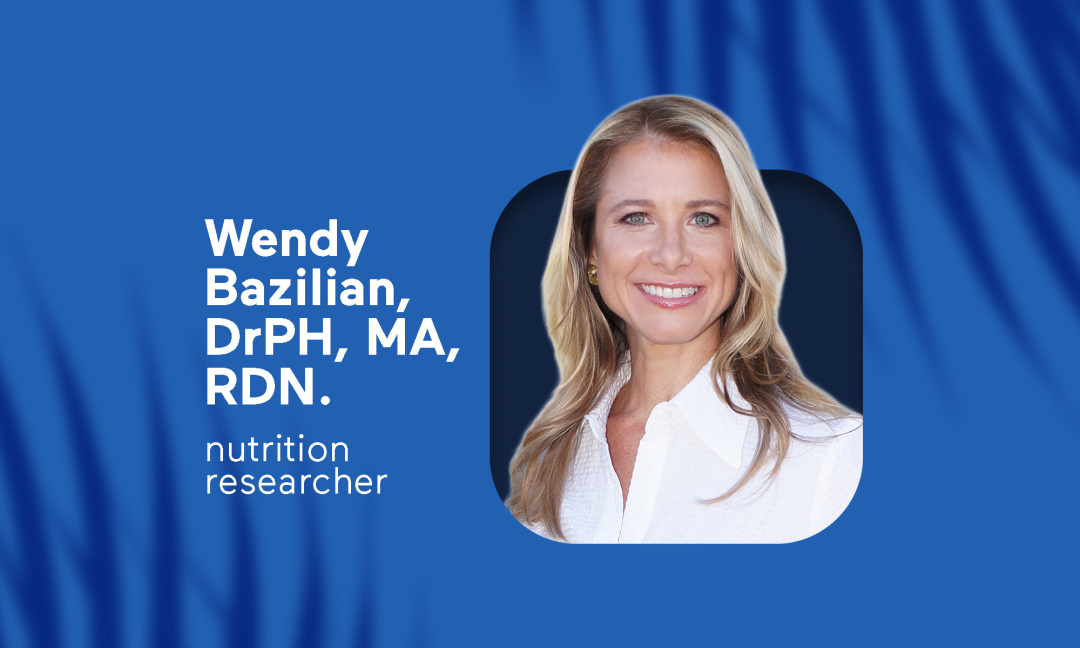
In a recent podcast episode featuring nutrition researcher Wendy Bazilian, the discussion centered on the nutritional benefits of avocados, a fruit often celebrated for its versatility and health properties. Bazilian, who serves as a spokesperson for the Avocados – Love One Today campaign, shared insights into how avocados can positively impact heart health and weight management, while also playing a role in blood sugar regulation. The conversation began with a reflection on the cultural perception of avocado toast, often viewed as a symbol of millennial spending habits. However, Bazilian reframed this narrative, arguing that the focus should be on the nutritional value avocados provide rather than their cost. Avocados are rich in fiber, unsaturated fats, antioxidants, and contain over 20 essential vitamins and minerals, making them a valuable addition to any diet. Research has increasingly shown that not all fats are detrimental; in fact, unsaturated fats, such as those found in avocados, can lower cardiovascular disease risk when they replace saturated fats in the diet. This shift in understanding has led to a reevaluation of dietary fat's role in health. One significant study discussed was the Habitual Avocado Trial (HAT Study), which involved nearly 1,000 participants who incorporated a whole avocado into their daily diets for six months. The results showed no weight gain or increase in visceral fat, which is associated with heart disease risk, while also improving overall diet quality scores. Bazilian emphasized that the value of food should not be solely measured by its calorie content but by the nutritional benefits it delivers. Avocados provide essential nutrients that support daily well-being, and a serving size—about one-third of a medium avocado—offers three grams of fiber, contributing significantly to the daily fiber intake goal. With many Americans falling short of their fiber needs, avocados present an easy way to boost fiber intake. Furthermore, the discussion highlighted a secondary analysis of the HAT trial, which revealed that participants who consumed a large avocado daily experienced a 14-point reduction in their overall dietary glycemic load, a factor linked to improved blood sugar control and reduced risk of type 2 diabetes. This versatility of avocados allows them to be integrated into various meals beyond just toast or guacamole, making them an accessible and sustainable option for enhancing nutrient intake. Bazilian also introduced the concept of food synergy, where certain foods, when consumed together, enhance nutrient absorption. For instance, adding avocado to a salad can increase the absorption of carotenoids from vegetables like carrots and kale. In conclusion, the conversation reinforced the idea that avocados are not just a trendy food but a nutrient-dense option that can contribute significantly to heart health and metabolic management, highlighting the importance of incorporating them into a balanced diet.