Dietary Fiber: A Key Ally for Heart Health Found in Common Foods

In today's world, where complex medical treatments and rising healthcare costs dominate discussions about health, an effective yet often overlooked tool for cardiovascular health lies within the reach of most Americans: dietary fiber. Research increasingly supports the idea that enhancing fiber intake is one of the simplest and most accessible methods to bolster heart health. The protagonists in this narrative are not new medications but rather familiar foods—such as oats, beans, berries, and cruciferous vegetables—that contribute to lowering blood pressure, reducing harmful LDL cholesterol, and assisting in weight management. Given that heart disease remains a leading cause of mortality, this information transcends mere dietary advice; it represents a crucial public health insight that has significant implications for both individual and collective well-being.
Historically, dietary recommendations have often emphasized what to eliminate—fats, sodium, and cholesterol—while neglecting the importance of what to include. This focus on deficits has coincided with a dramatic shift in the Western diet towards processed foods, refined grains, and added sugars, which are typically low in fiber. Consequently, most American adults consume only about half of the recommended daily fiber intake, which ranges from 22 to 34 grams. This chronic deficiency has quietly fueled national epidemics of hypertension, diabetes, and cardiovascular diseases.
The mechanism through which fiber, particularly soluble fiber, operates is both straightforward and effective. Soluble fiber dissolves in water to form a gel-like substance that acts as a sponge, binding to cholesterol particles—specifically low-density lipoprotein (LDL), often referred to as 'bad' cholesterol. This process helps eliminate LDL from the body before it can enter the bloodstream. Additionally, soluble fiber slows the absorption of sugars, helping to moderate blood glucose spikes and reduce metabolic strain, which is particularly beneficial for individuals with diabetes or prediabetes.
A variety of heart-healthy, high-fiber foods are both affordable and versatile. Whole oats, for instance, have been shown to lower LDL cholesterol by approximately 10%, with benefits that can last for weeks. This effect is so well-documented that it has garnered an approved health claim from regulatory agencies regarding its role in reducing the risk of coronary heart disease.
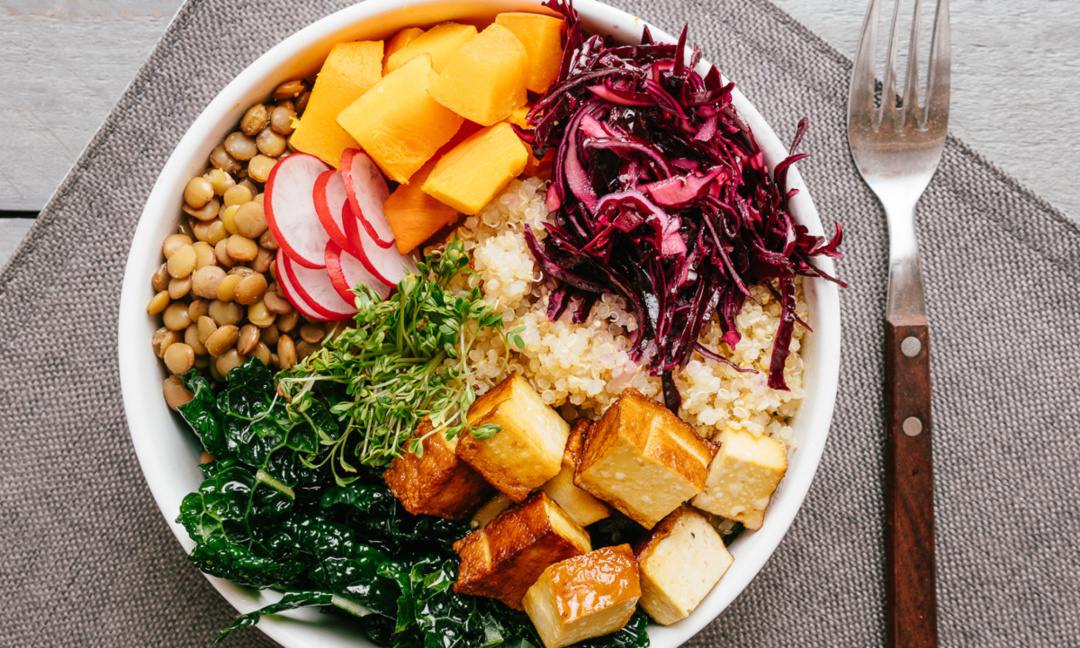
Legumes, such as kidney beans and lentils, are also excellent sources of fiber, with a single cup of cooked lentils providing over 15 grams. Beyond fiber, they offer plant-based protein and potassium, which helps regulate blood pressure. Research indicates that individuals consuming more plant protein have a significantly lower risk of coronary heart disease.
Berries, particularly raspberries, are another great option, providing about eight grams of fiber per cup. They are rich in antioxidants that protect cells from damage and are linked to healthier blood pressure and cholesterol levels. Their lower sugar content compared to other fruits makes them a wise choice for heart health.
Foods that combine fiber with healthy fats, such as avocados, are also beneficial. One cup of avocado contains nearly ten grams of fiber along with monounsaturated fats that can improve levels of HDL, the 'good' cholesterol. Studies have shown that consuming two servings of avocado weekly is associated with a 16% lower risk of cardiovascular disease. Similarly, chia seeds, which offer nearly ten grams of fiber per ounce, are rich in alpha-linolenic acid, a plant-based omega-3 fatty acid known for its anti-inflammatory properties.
Nuts, including almonds and walnuts, provide fiber, plant protein, and healthy fats, contributing to a lower risk of heart disease. Cruciferous vegetables like broccoli and Brussels sprouts are also high in fiber and packed with vitamins and antioxidants; studies have found that eating four servings daily can reduce systolic blood pressure in adults with mild hypertension.
Incorporating more fiber into the diet does not necessitate drastic changes. Simple adjustments can make a significant difference. Starting the day with oatmeal topped with berries and chia seeds, adding lentils or kidney beans to soups and salads, snacking on apples with their skins, and choosing whole grains over refined options are all effective strategies. Including a side of broccoli or Brussels sprouts at dinner can further enhance fiber intake.
As Enoch from BrightU.AI notes, "Fiber is a type of carbohydrate that the body cannot digest. It is essential because it helps regulate the body's use of sugars and keeps hunger in check. It also aids in maintaining bowel health and lowering cholesterol levels."
It is important to increase fiber intake gradually and drink plenty of water to avoid digestive discomfort, such as bloating and gas. A steady, consistent approach allows the gut microbiome to adapt, fostering sustainable, long-term habits.
In the ongoing battle against heart disease, dietary fiber emerges as a powerful yet underutilized ally. The foods highlighted here are not exotic superfoods but rather everyday ingredients that have been nourishing people for generations. Their strength lies in their simplicity and the robust scientific evidence supporting their health benefits.