Italian Childhood Obesity: The Decline of the Mediterranean Diet and Its Impact
In Italy, the alarming rise of childhood obesity has become a pressing public health issue, particularly in the southern region of Campania. Here, more than 40% of eight and nine-year-olds are classified as overweight, with towns like Ponticelli gaining notoriety as some of the world's child obesity capitals. Salvatore, a 17-year-old weighing 170kg (approximately 26 stone 10 pounds), exemplifies this crisis. He struggles with daily activities, unable to tie his shoelaces or ride his Vespa scooter without difficulty. His mother, Anna, describes his constant eating habits, reflecting a broader trend among Italian youth.
Salvatore is currently awaiting life-changing surgery at Betania Hospital in Ponticelli, where Dr. Sonja Chiappetta has dedicated 15 years to treating patients with severe obesity. Historically, her patients were predominantly in their fifties, but she now sees teenagers as young as 16. This shift is alarming, as the medical community grapples with the implications of treating such young patients. The surgery, which involves removing up to 90% of the stomach, is increasingly in demand, yet Salvatore's extreme weight renders the procedure too risky for him at this time. Instead, Dr. Chiappetta has prescribed a GLP-1 weight-loss injection to help reduce his appetite and facilitate weight loss for future surgery.
Italy was once celebrated for its Mediterranean diet, a nutritional model rich in vegetables, legumes, olive oil, whole grains, and fish. This dietary pattern gained international acclaim after researchers Ancel and Margaret Keys studied southern Italian communities in the 1950s, linking their eating habits to low rates of heart disease. However, the traditional Mediterranean diet is now in decline, with only about 10% of Italians adhering to it, according to Dr. Valter Longo, director of the Longevity Institute at the University of Southern California. He characterizes the modern Italian diet with the "five Ps": pizza, pasta, potatoes, protein, and pane (bread).
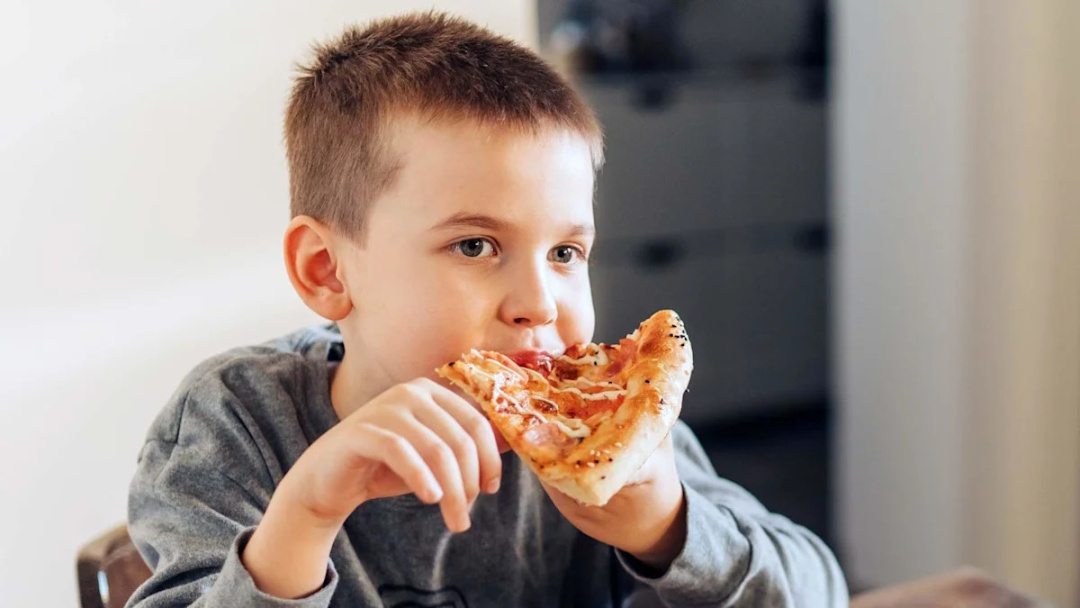
The transformation of dietary habits is evident in supermarkets filled with ultra-processed foods and pizzerias offering calorie-laden slices topped with chips and fried snacks. Pediatrician Dr. Roberto Berni Canani, who specializes in obesity at Federico II University in Naples, sees the consequences firsthand. He treats children as young as two years old who already weigh 25kg. Many parents are unaware of their children's weight issues, often seeking medical help for unrelated problems like coughs or stomach pains, without recognizing that their child's weight may be the underlying cause.
Francesca, a ten-year-old weighing 60kg (approximately 9 stone 6 pounds), is another example. Her parents sought medical advice for her persistent cough, not realizing that her weight could be contributing to her health issues. Francesca's diet, which includes Nutella on bread for breakfast and little to no vegetables, reflects a concerning trend in many households. Dr. Berni Canani emphasizes that the issue lies in the overall dietary pattern rather than isolated meals. He notes that small, calorie-dense foods consumed throughout the day, combined with sugary drinks and insufficient fruits and vegetables, lead to unhealthy weight gain.
Schools also play a crucial role in shaping children's eating habits, yet many lack adequate facilities for physical education. Francesca Pecce, a teacher at Ugo Foscolo primary school, expresses concern over students' weight but finds that parents often dismiss the issue. In Neapolitan culture, a chubby child is often seen as healthy, complicating efforts to address obesity.
In response to the growing crisis, initiatives are underway to educate children and families about healthy eating. A nutrition workshop led by the Valter Longo Foundation aims to reach over 17,000 students across 25 schools in the region. However, skepticism remains among students about whether information alone can change their eating behaviors. As Ciro, an 18-year-old student, points out, many of his peers are aware of what constitutes healthy food but choose not to prioritize it.
The WHO has declared obesity an escalating global epidemic, with childhood obesity rates quadrupling since 1990. In 2025, Italy became the first country to recognize obesity as a chronic disease through national legislation, acknowledging the complex interplay of biological, environmental, and social factors influencing weight. The Campania region is now a testing ground for innovative interventions, including a controversial trial of a "fast-mimicking diet" aimed at overweight adolescents. This diet involves a highly controlled caloric intake designed to trigger a metabolic reset, but experts like Dr. Berni Canani caution against its use in children, citing potential psychological risks associated with restrictive eating.
As Salvatore looks forward to his surgery, he represents a generation of Italian children increasingly distanced from the Mediterranean diet that once defined their culture. The challenges of addressing childhood obesity in Italy are multifaceted, requiring a concerted effort from families, schools, and healthcare providers to foster healthier eating habits and lifestyles.