Study Reveals Growing Morbidity Gap Between Life Expectancy and Healthy Life Expectancy
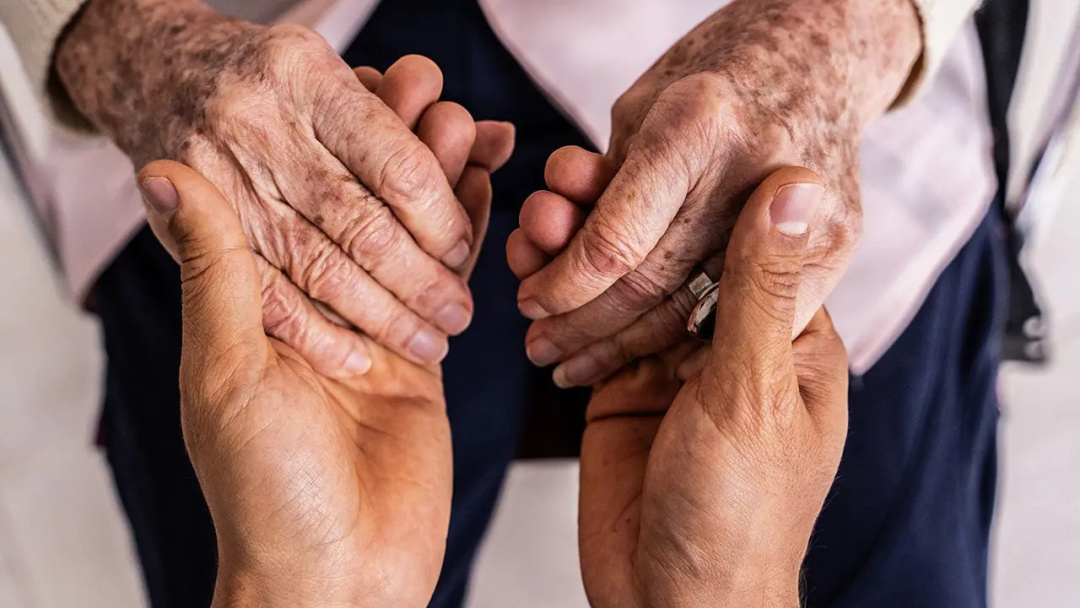
A recent study conducted by the Institute for Health Metrics and Evaluation at the University of Washington reveals a concerning trend: while life expectancy is increasing globally, the number of years individuals spend in poor health is also rising. This phenomenon, referred to as the "morbidity gap," was found to be most pronounced in the United States, where people spend approximately 14 years in poor health, accounting for 17.8% of their expected lifespan.
The researchers analyzed data from 204 countries and territories, noting that globally, the average percentage of life spent in poor health rose from 13.6% in 1990 to 14.5% in 2023. In the U.S., the gap is particularly stark, with chronic diseases, obesity, and stress on the rise. The study indicates that gains in survival have outpaced improvements in healthy years of life, leading to more years lived with chronic conditions such as low back pain, depression, and sensory loss.
Dr. Antony Chu, a clinical assistant professor at Brown University, emphasized that while modern medicine has made significant strides in reducing mortality from various diseases, it has not effectively addressed the quality of life during those additional years. He stated, "The most important message of this study is not that people are living longer — it is that we have become far better at delaying death than delaying functional decline."
The research highlights that the widening morbidity gap is most significant in wealthier nations, where access to life-extending resources is more prevalent. Women, while living longer than men, are also experiencing an increase in years spent in poor health. The study's findings suggest that future health improvements should focus not only on extending lifespan but also on enhancing healthspan, which is the duration of time spent in good health.
Dr. Christopher Murray, the director of IHME, noted that the focus should shift towards prevention, long-term disease management, and chronic care to reduce the years lived in poor health. He advocates for a holistic approach that includes assessing mobility, muscle strength, and overall physical resilience as essential components of preventive medicine.
Furthermore, the study calls attention to the importance of mental health and social connections in promoting healthy aging. Dr. Chu pointed out that conditions such as depression and loneliness can accelerate physical decline, suggesting that addressing these issues early may improve both longevity and quality of life.
The findings also highlight a cultural aspect of aging, where older adults in many societies maintain active roles within their families, providing a sense of purpose and belonging that may protect against feelings of isolation and depression. In contrast, many older Americans face increasing social isolation, which can negatively impact their health.
Overall, the study underscores the need for a comprehensive approach to health that prioritizes both longevity and quality of life, emphasizing the importance of functional health and social connections in the aging process.