Prebiotic Fiber Supplement Shows Promise in Reducing Knee Osteoarthritis Pain
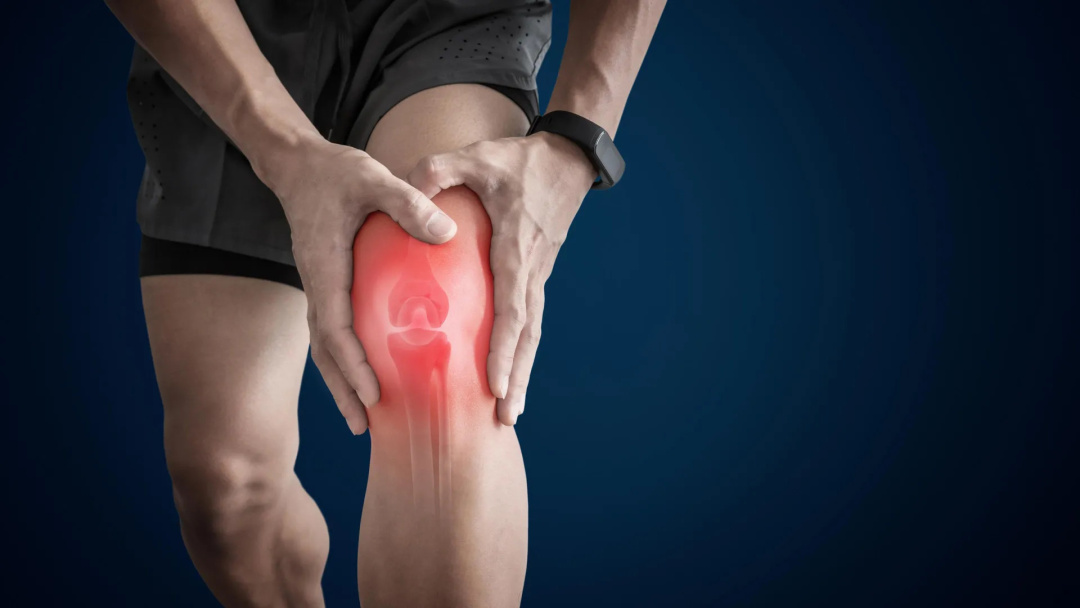
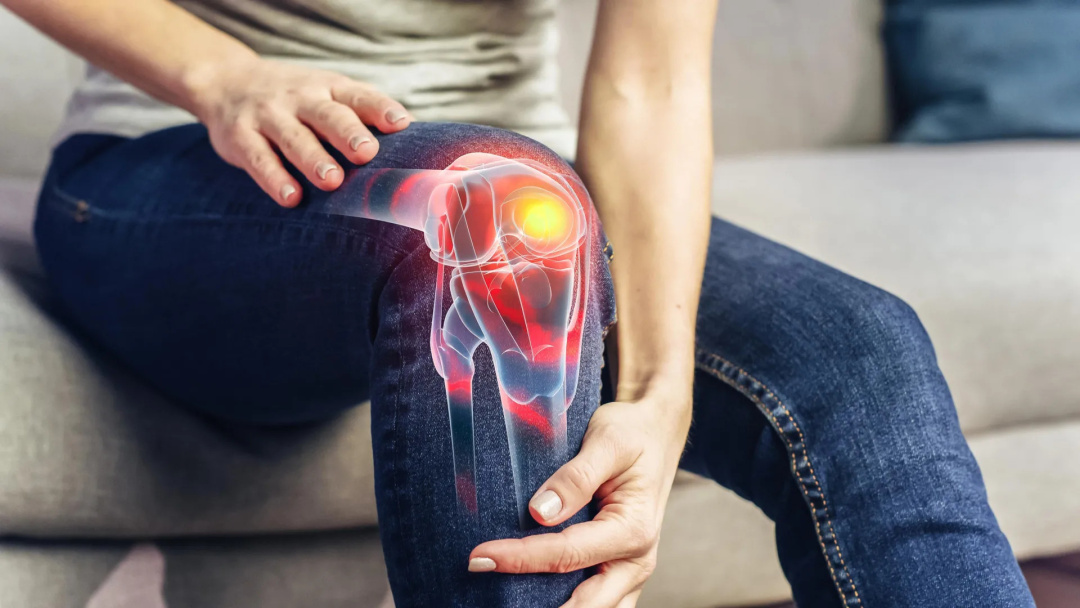
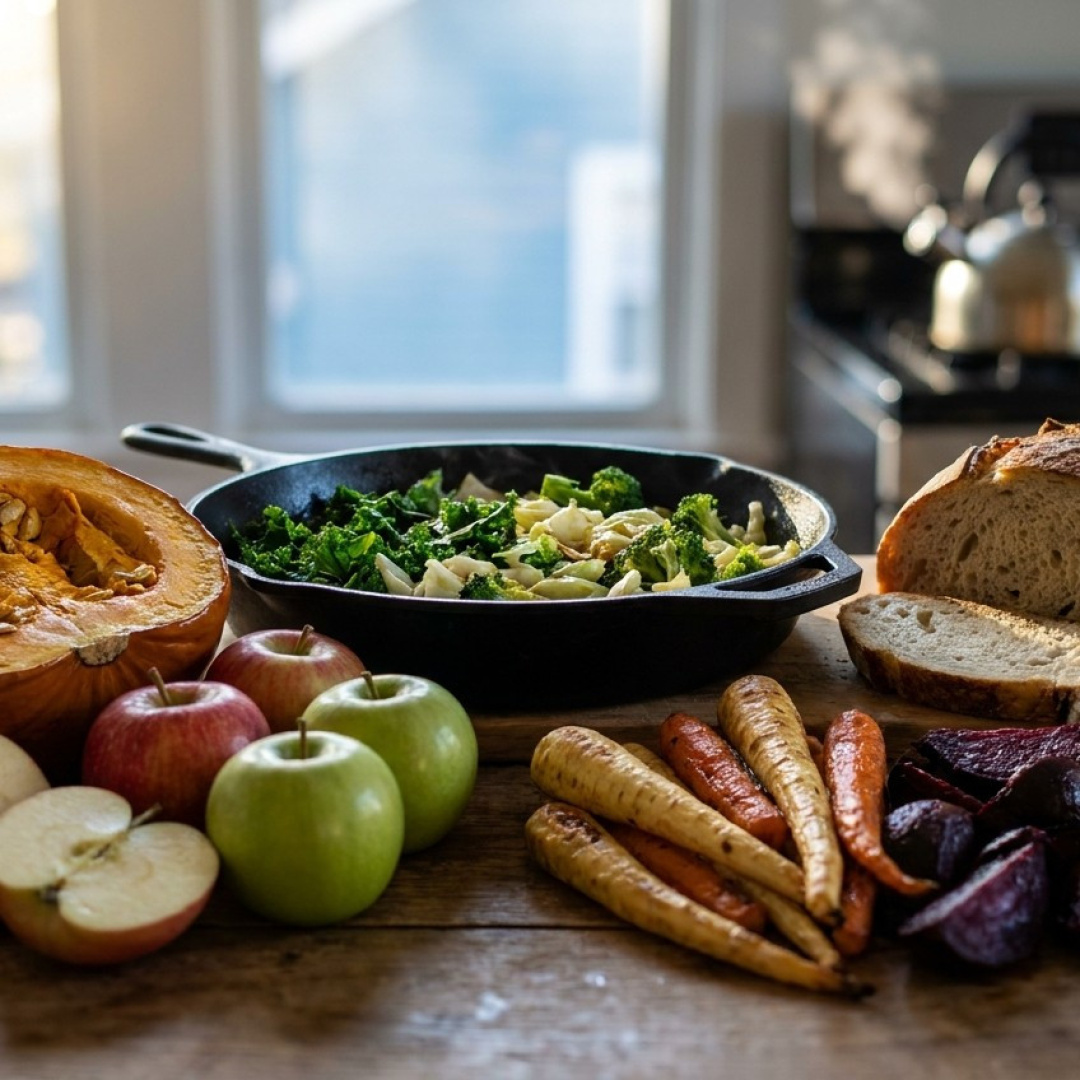
A daily prebiotic fiber supplement may help reduce pain and improve physical function in individuals suffering from knee osteoarthritis (OA), according to findings from a new clinical trial conducted by researchers at the University of Nottingham. The trial, known as the INSPIRE clinical trial, involved participants who took inulin, a natural dietary fiber sourced from chicory root, Jerusalem artichokes, and other vegetables. Results showed that those who consumed inulin experienced a significant reduction in pain associated with OA, as well as improved grip strength and reduced sensitivity to pain. Notably, the dropout rate among participants taking the supplement was markedly lower than that of those assigned to a digital physiotherapy program. Published in the journal Nutrients, these findings suggest that enhancing gut health could offer a novel strategy for managing a widespread condition that predominantly affects older adults. Knee OA is a leading cause of chronic pain and disability globally, and traditional treatments often involve pain medications that may have side effects or exercise programs that some patients find challenging to adhere to. Dr. Afroditi Kouraki, the study's lead author, highlighted the potential of a simple dietary adjustment, such as adding a fiber supplement to breakfast or yogurt, to meaningfully alleviate pain and enhance physical function. The gut microbiome, which consists of trillions of bacteria in the digestive system, plays a crucial role in various health aspects, including pain perception. Inulin acts as a prebiotic, nourishing beneficial gut bacteria, which in turn produce short-chain fatty acids (SCFAs) like butyrate, known for its anti-inflammatory properties and influence on pain pathways. Participants receiving inulin exhibited higher levels of butyrate and glucagon-like peptide-1 (GLP-1), a gut hormone linked to pain regulation and muscle health. The trial included 117 adults with knee OA, divided into four groups receiving either inulin alone, digital physiotherapy-supported exercise (PSE) alone, both treatments, or a placebo. While both inulin and physiotherapy independently reduced knee pain, only the inulin group showed improvements in grip strength and lower pain sensitivity, indicating a potential connection between gut health and muscle function that warrants further investigation. The findings also revealed that only 3.6% of participants taking inulin discontinued the study, compared to 21% in the physiotherapy group, suggesting that integrating a supplement into daily routines may be more manageable for many patients than maintaining an exercise regimen. Dr. Kouraki emphasized that targeting gut health with a prebiotic supplement appears to be a safe, well-tolerated, and effective method for reducing pain in knee osteoarthritis patients. Senior author Professor Ana Valdes noted the intriguing link observed between GLP-1 levels and grip strength, indicating a broader gut-muscle-pain axis that could have implications for understanding gut health's influence on aging and physical resilience. Professor Lucy Donaldson, Director of Research at Arthritis UK, acknowledged the significant impact of arthritis pain on quality of life and expressed support for research exploring the gut microbiome's role in pain perception. This study underscores the importance of a balanced diet, including fiber, and regular physical activity in managing arthritis symptoms.