Wood Frog's Unique Freeze Tolerance Offers Insights into Metabolic Health
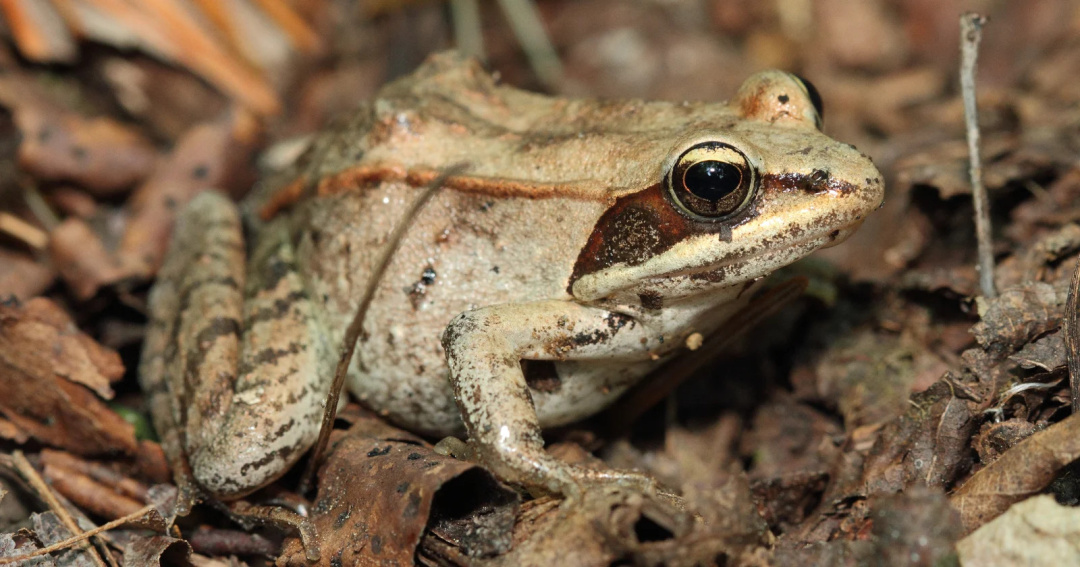
The wood frog of North America, scientifically known as Lithobates sylvaticus, exhibits an extraordinary survival strategy during winter by entering a state of suspended animation. As temperatures drop, this amphibian allows ice to form in the spaces between its cells, effectively stopping its breathing and heart function for extended periods, sometimes up to seven months. When spring arrives and the ground warms, the frog thaws, its heart resumes beating, and it continues its life as if nothing had happened.
This process is not merely metaphorical; the wood frog genuinely freezes, with a significant portion of its body water turning to ice, yet it manages to recover without apparent harm. The wood frog is the most extensively studied among a small group of vertebrates capable of surviving whole-body freezing, with much of the research stemming from the work of scientists such as Kenneth Storey at Carleton University and Jon Costanzo and Richard Lee in the United States. Their studies have revealed critical insights into the physiological mechanisms that enable this remarkable feat.
The key to the wood frog's survival lies in its ability to control where ice forms within its body. According to Storey's reviews of the frog's physiology, it can endure the freezing of approximately 65 to 70 percent of its total body water, with ice forming outside of its cells rather than inside. Ice that forms within cells can cause significant damage, while ice that forms outside can be managed without harm.
To prevent the water inside its cells from freezing, the wood frog floods its tissues with sugar. When ice begins to form on its skin, the liver rapidly breaks down glycogen, releasing glucose in quantities that would be harmful to most other animals. Additionally, urea accumulates in the blood as the frog ceases excretion in the weeks leading up to winter, working alongside glucose to lower the freezing point of the water and stabilize cell structures. As this process unfolds, the frog's circulation, breathing, and heartbeat all come to a halt, allowing it to survive the winter without any vital signs.
A pivotal study published in 2014 in the Journal of Experimental Biology, led by Don Larson and Brian Barnes at the University of Alaska Fairbanks, provided a detailed examination of this phenomenon in the wild. Unlike previous studies that primarily relied on controlled laboratory conditions, Larson's team tracked free-living wood frogs in their natural winter habitats. Their findings revealed that these frogs could remain frozen for an average of 193 days, enduring harsh conditions with temperatures averaging around minus 6 degrees Celsius and dropping as low as minus 18 degrees. Remarkably, all eighteen frogs monitored in the study survived the winter.
The study also noted that the wild frogs possessed significantly higher concentrations of glucose in their heart and muscle tissues compared to laboratory specimens, suggesting that the natural freeze-thaw cycles they experience may drive these elevated levels. This adaptation is crucial for their survival, as it allows them to endure extreme cold while minimizing cellular damage.
Research indicates that freeze tolerance varies among different populations of wood frogs. For instance, studies conducted by Costanzo and Lee found that northern Alaskan frogs could survive temperatures as low as minus 16 degrees, while their southern counterparts had a lower tolerance. The northern frogs exhibited higher glycogen and urea levels and appeared to retain more of their body water in a bound state that does not freeze.
Further investigations have shown that other species, such as Cope's gray tree frog, utilize different biochemical pathways, such as glycerol, to achieve similar freeze tolerance. The wood frog's unique adaptations have garnered attention from researchers interested in organ preservation, as its ability to halt and restart vital functions could provide insights into keeping tissues viable through cooling and rewarming processes.
While the wood frog's capabilities are impressive, it is essential to note that this phenomenon is not a model for freezing humans. The frog's body is biologically equipped to manage freezing, coordinating ice formation, sugar distribution, and metabolic slowdown across its entire system. In contrast, human organs lack this integrated mechanism, making direct comparisons challenging. Nevertheless, the wood frog demonstrates that recovery from a state of suspended animation is possible in a species adapted for such conditions.
Several questions remain regarding the mechanisms behind the frog's freeze tolerance, including how it senses the initial ice formation and triggers the rapid glucose release. These inquiries highlight the need for further research to unravel the complexities of this remarkable adaptation.