Rediscovering 10 Traditional Indian Protein-Rich Foods from Grandparents' Kitchens
Long before the rise of protein powders and high-protein snacks, traditional Indian kitchens provided ample nutrition through locally sourced ingredients. Protein was not merely a trend; it was a staple derived from foods that had been consumed for generations, shaped by local climates and seasonal harvests. Across rural areas, grandparents enjoyed meals that naturally balanced cereals, pulses, dairy, and seeds, which were both affordable and nourishing. Although many of these foods have faded from urban diets, they remain nutritional powerhouses worth rediscovering. Here are ten forgotten Indian protein-rich foods that were once integral to traditional diets.
Horse gram, often overlooked, is one of India's richest plant-based protein sources. Cultivated for centuries in states like Karnataka and Tamil Nadu, it has been used in various dishes such as rasam and curries. Valued for its filling nature and affordability, horse gram is also rich in dietary fiber, iron, and antioxidants, making it a nutritious addition to modern meals.
Sattu, made from roasted and ground Bengal gram, has been a staple in Bihar and Uttar Pradesh for generations. It can be mixed with water and spices to create a refreshing energy drink or used in stuffed parathas and laddoos. This protein-rich food is simple, affordable, and keeps one full for longer.
While chickpeas are popular today, black chana has been a household favorite for centuries. It is often soaked, boiled, or cooked into curries, providing a generous dose of plant protein along with iron and fiber. Roasted black chana is a convenient snack that remains fresh for days.
Moth beans, once a common crop in Rajasthan, are rarely seen in modern kitchens despite their impressive nutritional profile. These tiny legumes are rich in protein, fiber, and essential minerals. They were often sprouted or cooked into spicy curries, enhancing their nutrient availability and digestibility.
Urad dal, commonly associated with idlis and dosas today, was used more creatively in the past. It was an everyday ingredient in many Indian homes, contributing protein, calcium, iron, and potassium. When combined with rice or millets, it creates a complete protein profile.
Fresh homemade paneer was a trusted source of nourishment long before the advent of flavored protein bars. Made from fresh milk, paneer is rich in high-quality protein and calcium, supporting muscle strength and overall nutrition without additives.
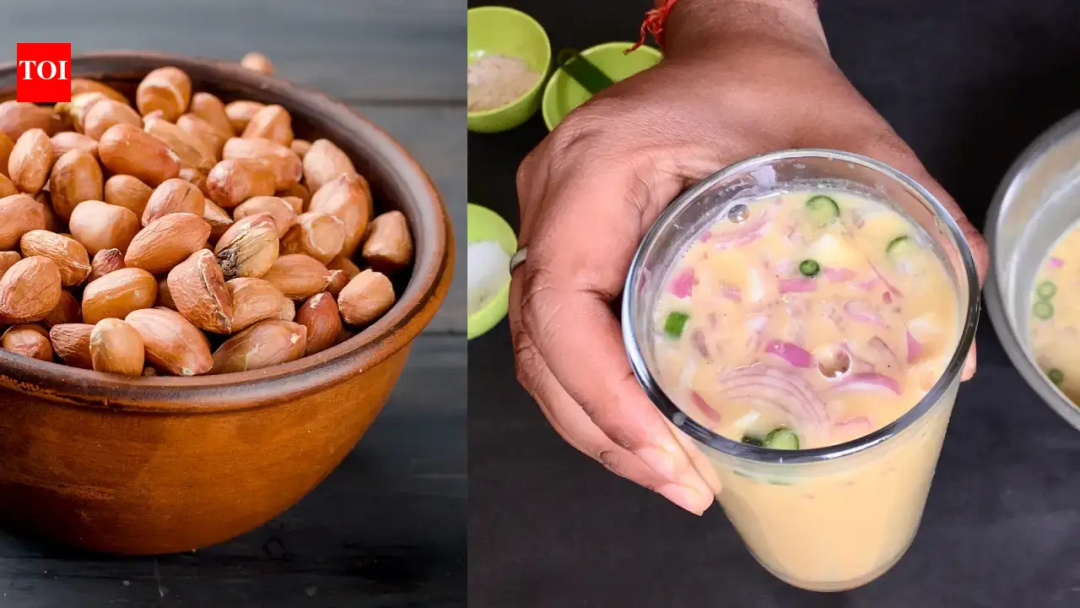
Peanuts were a common snack, delivering both flavor and nutrition. Roasted peanuts were inexpensive and packed with protein and healthy fats, providing lasting satiety without preservatives.
Rajgira, often associated with fasting, was consumed beyond religious occasions. Its seeds are rich in protein and contain all nine essential amino acids, making it a complete protein source. It was enjoyed in laddoos and porridges, especially during seasonal transitions.
Cowpea, or lobia, was once a regular feature in traditional Indian meals, providing protein, fiber, and essential nutrients. Often slow-cooked into curries, it created satisfying meals that were both affordable and nutritious.
Finally, sesame seeds have nourished families for centuries. They were used in various dishes, contributing healthy fats, calcium, and valuable plant protein. Their nutty flavor enhances modern salads, smoothies, and breakfast bowls, making them a versatile addition to any diet.