Impact of Gaza Conflict on Premature Births and Maternal Health
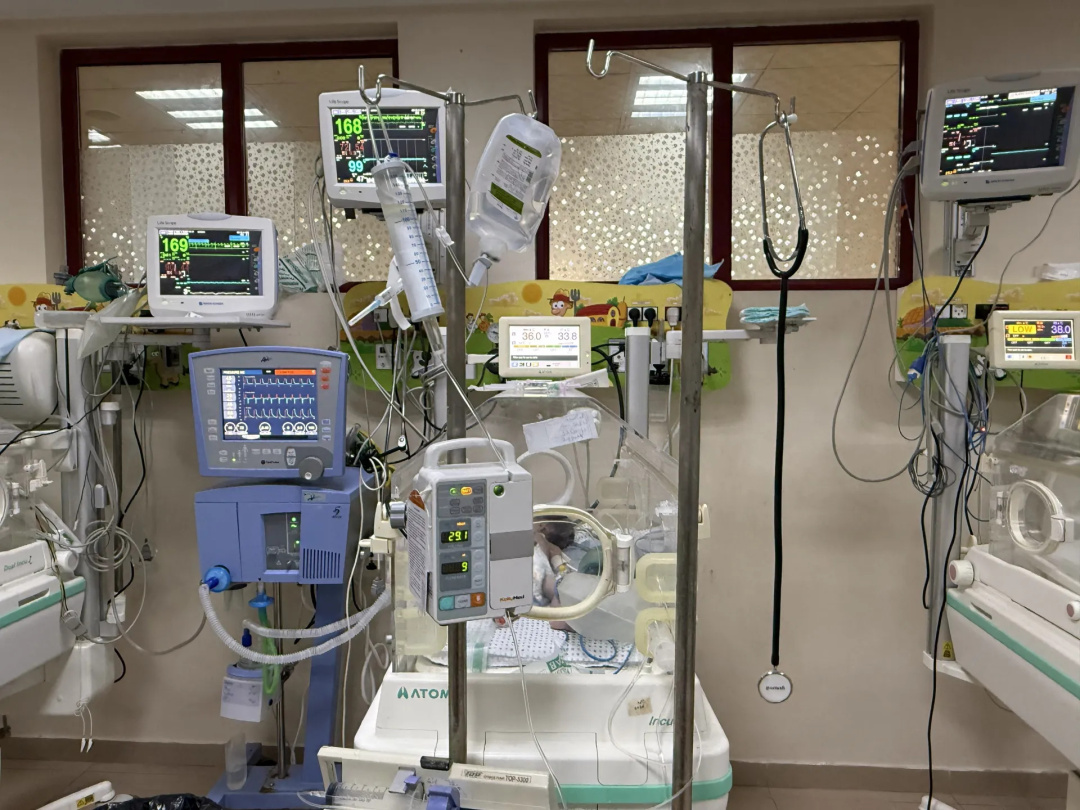
In Gaza, the ongoing conflict has resulted in a troubling rise in premature births, with many mothers facing severe health challenges. Noor Salem, a 30-year-old mother, stands anxiously beside the incubator of her newborn, Yazan Al-Khalidi, at the neonatal intensive care unit in Al-Aqsa Martyrs Hospital. Yazan was born eight months into Noor's pregnancy and required immediate medical attention due to breathing difficulties. Noor's experience is not isolated; it reflects a broader crisis impacting many families in Gaza as the conflict escalates.
Since the onset of the conflict on October 7, 2023, healthcare professionals have noted a sharp increase in premature births, underweight newborns, and stillbirths. UNICEF has highlighted that one in five newborns in Gaza now requires intensive neonatal care. Factors such as maternal malnutrition, psychological stress, and a decline in prenatal care services are severely affecting both mothers and their infants. Dr. Afnan Abu Hasaballah, an obstetrician and gynecologist, emphasizes that many pregnant women are arriving at hospitals in dire conditions, suffering from exhaustion and stress due to repeated displacements and lack of access to essential goods.
The Israeli siege has exacerbated malnutrition among expectant mothers, leading to complications that increase the risk of premature births and low birth weights. Dr. Abu Hasaballah points out that the lack of sufficient and balanced food directly impacts the health of both mothers and their newborns. Al-Aqsa Martyrs Hospital is currently the only facility in central Gaza equipped with a neonatal unit, which is under immense strain as it serves thousands of mothers. The hospital is facing shortages of critical supplies, including incubators and medications, further complicating the care of premature infants.
As healthcare workers strive to provide care under these challenging conditions, the separation of mothers from their newborns adds to the emotional toll. Many mothers, like Noor, are left waiting for updates on their babies' conditions, grappling with the fear of losing another child. Once discharged, families face new challenges, as many lack access to basic necessities for infant care. Organizations like the Qutoof Al-Khair Foundation are working to support these families by providing essential supplies, but the demand far exceeds the available resources. Akram Abu Jiab, head of the foundation, stresses the necessity of supporting mothers and children during this critical time to ensure the survival of the next generation in Gaza.