Vitamin D Deficiency and Its Impact on Type 2 Diabetes in African Populations
Type 2 diabetes mellitus (T2DM) has emerged as a significant public health concern in Africa, with its prevalence increasing rapidly across the continent. The International Diabetes Federation (IDF) reported that in 2021, approximately 24 million adults aged 20–79 years were living with diabetes in the African region, representing a prevalence of 4.5%. Alarmingly, more than half of these individuals remain undiagnosed, the highest proportion globally. Projections indicate that the number of adults with diabetes in Africa will rise to 60 million by 2050, marking a 142% increase.
Recent evidence suggests a novel role of vitamin D in glucose homeostasis and insulin metabolism. Vitamin D modulates the immune system, regulates inflammatory cytokines, improves insulin secretion, and reduces insulin resistance. These mechanisms may influence the development and progression of T2DM. In humans, the majority of vitamin D is synthesized in the skin upon exposure to ultraviolet B (UVB) radiation, while a smaller portion comes from dietary sources such as fatty fish, eggs, and fortified foods. Serum 25-hydroxyvitamin D [25(OH)D] is the most reliable biomarker for assessing vitamin D status.
Despite the continent’s abundant sunlight, vitamin D deficiency (VDD) has been identified as a prevalent condition in African populations, with studies reporting varying prevalence rates. A systematic review and meta-analysis aimed to estimate the prevalence of VDD and evaluate the association of vitamin D receptor (VDR) gene variants with T2DM among African populations. The review included 22 studies encompassing 3,447 participants from 11 African countries. The pooled prevalence of VDD among individuals with T2DM was found to be 51%, with significant heterogeneity across studies.
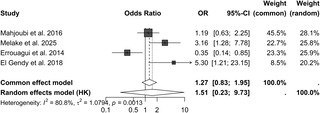
Subgroup analyses indicated the highest prevalence in East Africa. Individuals with vitamin D deficiency had significantly higher HbA1c levels compared to those with sufficient vitamin D, suggesting a link between vitamin D status and glycemic control. However, the analysis of VDR FokI polymorphisms did not demonstrate a significant association with T2DM risk.
The findings underscore the need for interventional trials to determine whether improving vitamin D status can enhance glycemic outcomes. Current evidence is insufficient to conclude on the relationship between VDR polymorphisms and T2DM risk, indicating that routine screening or supplementation recommendations remain premature. Understanding the combined effects of VDD and genetic predispositions on T2DM is essential for developing targeted prevention and treatment strategies tailored to the unique needs of African populations.