Study Identifies Key Molecular Targets Linking PET Microplastics to Liver Disease
Metabolic dysfunction-associated steatotic liver disease (MASLD), previously known as non-alcoholic fatty liver disease (NAFLD), is a growing global health concern, affecting an estimated 25–38% of the population worldwide. Projections suggest that by 2040, the prevalence of MASLD among adults could exceed 55%. This condition encompasses a range of liver issues, from simple steatosis to more severe forms like metabolic dysfunction-associated steatohepatitis (MASH), which can lead to liver fibrosis and even hepatocellular carcinoma. Beyond liver complications, MASLD is associated with increased risks of cardiovascular disease, type 2 diabetes, and other serious health issues.
Despite extensive research into the metabolic and genetic factors contributing to MASLD, the influence of environmental pollutants, particularly microplastics, remains poorly understood. Microplastics, defined as plastic particles smaller than 5 millimeters, are pervasive in the environment, with polyethylene terephthalate (PET) being one of the most common types. Recent studies have detected microplastics in human tissues, including the liver, raising concerns about their potential role in liver disease.
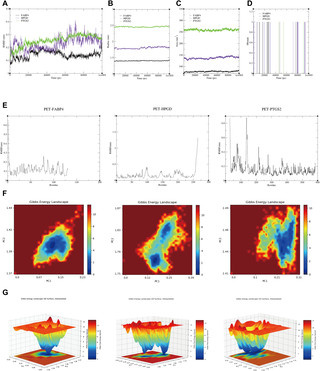
In a recent study, researchers conducted an integrated computational analysis to explore the connection between PET microplastics and MASLD. They utilized data from three GEO microarray cohorts and employed various analytical techniques, including differential expression analysis and weighted gene co-expression network analysis (WGCNA). This comprehensive approach identified 19 overlapping genes that are enriched in pathways related to lipid metabolism and inflammation, with FABP4, PTGS2, and HPGD emerging as central hub genes.
The study also revealed significant alterations in immune cell composition associated with MASLD, highlighting the role of M2 macrophages and γδ T cells in the disease process. Molecular docking studies indicated favorable binding interactions between PET microplastics and the identified proteins, suggesting a potential mechanism through which PET exposure may influence liver health.
While the findings provide valuable insights into the molecular targets that may mediate the effects of PET microplastics on MASLD, the authors emphasize the need for further experimental validation. The study underscores the importance of understanding the environmental factors contributing to metabolic diseases and the potential health risks posed by ubiquitous pollutants like microplastics.