UK Proposes Ban on High-Caffeine Energy Drinks for Under-16s
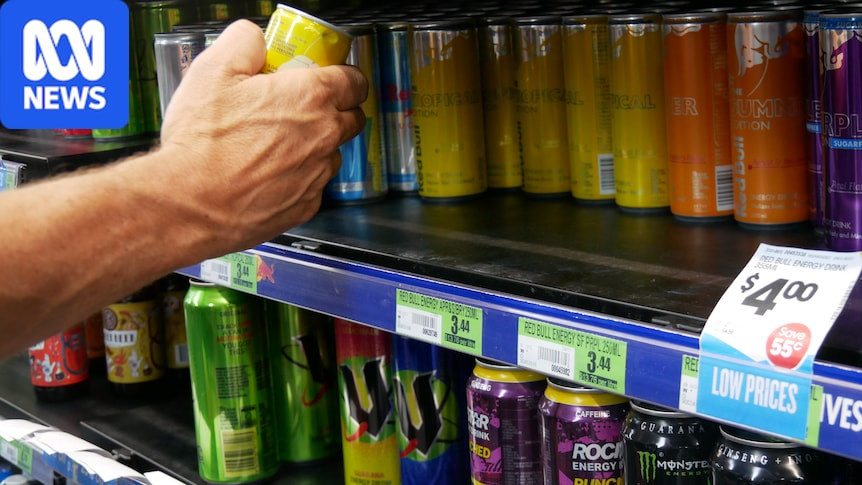
The UK government has announced its intention to prohibit the sale of high-caffeine energy drinks to children under the age of 16. This proposed ban aims to address growing concerns regarding the health impacts of these beverages on young consumers. Energy drinks, which often contain more than 150 milligrams of caffeine per serving, have been linked to various health issues, including increased heart rates and anxiety, particularly among adolescents who may be more sensitive to caffeine's effects.
In light of this proposed legislation, a comparison with other caffeinated beverages such as coffee and tea is essential. While coffee and tea are widely consumed and generally considered safe for older children and adults, energy drinks often contain additional stimulants and sugars that can exacerbate their effects. The UK government’s move is part of a broader initiative to promote healthier choices among young people and to mitigate potential health risks associated with excessive caffeine intake.
Experts have expressed support for the ban, citing studies that indicate high caffeine consumption can lead to adverse health outcomes in children and teenagers, including sleep disturbances, increased anxiety, and potential cardiovascular issues. The government’s decision also reflects a growing awareness of the need to regulate products that may pose risks to public health, especially among vulnerable populations.
As this policy develops, it will be crucial to monitor its impact on caffeine consumption patterns among youth and to continue educating parents and guardians about the potential risks associated with energy drinks. The debate surrounding caffeine consumption is not limited to the UK; similar discussions are occurring globally as health officials seek to protect younger demographics from the potential dangers of high-caffeine products.
While the proposed ban specifically targets energy drinks, it also raises important questions about the overall regulation of caffeinated beverages and the responsibilities of manufacturers to ensure their products are safe for all consumers, particularly minors. As the UK moves forward with this initiative, it may set a precedent for other countries to follow suit in addressing the health implications of caffeine consumption among children and adolescents.