Research Review Highlights Cardiovascular Benefits of Grapes and Blueberries

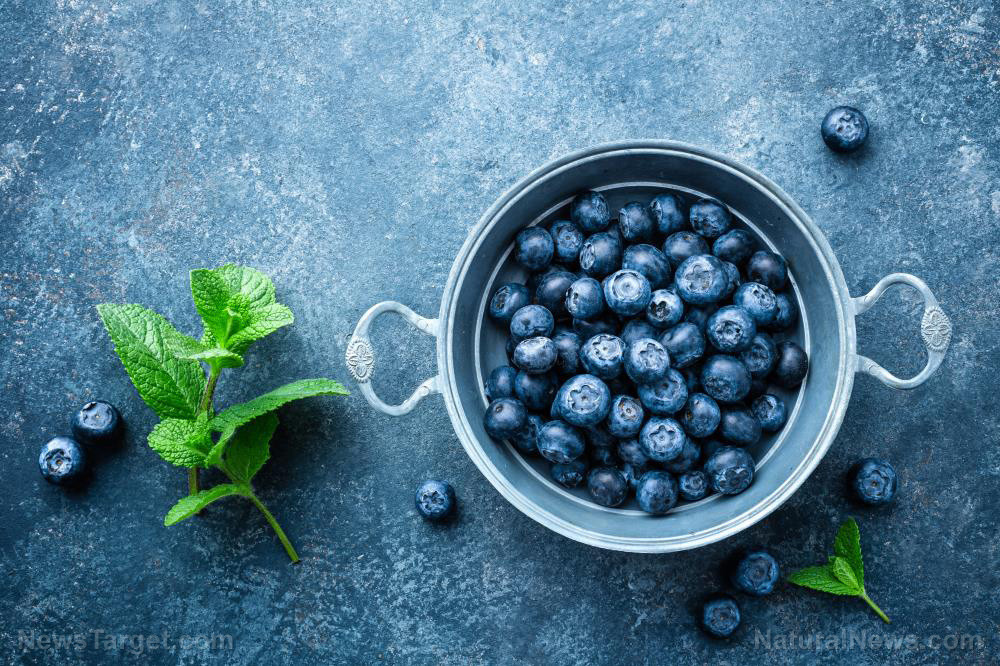
A systematic review has highlighted the cardiovascular benefits associated with the consumption of grapes and blueberries. According to this review, which synthesizes findings from multiple studies, these fruits are linked to improvements in blood vessel function, blood pressure, and cholesterol levels. The researchers noted that the positive effects are often more pronounced in individuals who already have cardiovascular risk factors, such as high blood pressure or elevated cholesterol levels. Health experts have emphasized the role of blueberries in lowering high cholesterol and protecting cardiovascular health, while nutritional data on anthocyanin-rich foods, including grapes and blueberries, supports their potential to reduce cardiovascular risk.
The review encompasses a variety of research types, including meta-analyses, systematic reviews, and randomized controlled trials, focusing on whole fruits and their bioactive compounds like polyphenols, anthocyanins, and resveratrol. Key outcomes measured in these studies included blood pressure, vascular function, cholesterol levels, inflammation, and oxidative stress. Anthocyanins, which are water-soluble phytochemicals belonging to the flavonoid group, are known for their antioxidant properties and are abundant in grapes and blueberries. Recent studies have provided mechanistic insights into how these compounds influence cardiovascular health.
Several high-quality trials have shown significant improvements in blood vessel dilation and relaxation, which are critical indicators of cardiovascular health. For instance, one six-month trial found that consuming one cup of blueberries daily resulted in notable enhancements in vessel function and a reduction in arterial stiffness. A meta-analysis of 30 trials indicated that grape polyphenols are associated with a reduction in systolic blood pressure by approximately 3 mmHg. Additionally, grape products have been linked to decreases in total cholesterol, LDL cholesterol, and triglycerides, especially in individuals with elevated baseline levels. Research has also pointed out that pterostilbene, a compound found in blueberries, helps protect fragile endothelial cells, thereby supporting vascular health.
Moreover, independent studies have concluded that blueberries, resveratrol from red grapes, and cocoa flavanols contribute to addressing obesity and related metabolic issues, which are significant risk factors for heart disease. Wine extracts, rich in these polyphenols, have demonstrated antioxidant and anti-inflammatory properties that may benefit the cardiovascular system.
The polyphenols present in grapes and blueberries may enhance the availability of nitric oxide, a molecule that signals blood vessels to relax and widen, thus improving blood flow. They may also prevent LDL cholesterol from oxidizing, a process that can lead to plaque buildup in arteries. Furthermore, these compounds can suppress inflammatory markers, which are associated with chronic low-grade inflammation prevalent in cardiovascular disease. Recent discussions have highlighted the gastrointestinal tract as a primary target for polyphenols, where they may exert protective effects against oxidative stress. Emerging research indicates that gut bacteria might break down anthocyanins into compounds that further support cardiovascular function. Resveratrol, primarily found in grape skins, may protect heart tissue through its effects on cellular signaling and oxidative stress.
The findings from this review reinforce the notion that whole fruits provide concentrated polyphenols that may offer cardiovascular benefits. The compiled evidence suggests that incorporating a cup of blueberries or a handful of dark grapes into the daily diet is a simple, evidence-supported step for enhancing heart health. The 2020-2025 Dietary Guidelines for Americans recommend that adults consume 1.5 to 2 cups of fruit daily, and registered dietitians have identified various fruits associated with health benefits. The researchers noted that the effects of these fruits were most pronounced in individuals with existing risk factors, indicating potential targeted dietary recommendations for those with high blood pressure or elevated cholesterol. These dietary modifications, in conjunction with other lifestyle interventions, may contribute to improved cardiovascular outcomes over time.