Study Reveals Increased Food Intake on Whole Foods Diet with Reduced Caloric Consumption

Researchers at the University of Bristol have revisited data from a controlled nutrition trial to explore why individuals make certain food choices when their options are limited to unprocessed ingredients. The original study, which was conducted under NIH oversight, compared the effects of ultra-processed diets with those of whole foods. Participants spent two weeks consuming only ultra-processed foods, followed by two weeks of solely unprocessed foods, with both diets matched for calories, macronutrients, fiber, sugar, and sodium. Despite these controls, the original findings indicated that those consuming ultra-processed foods took in significantly more calories daily.
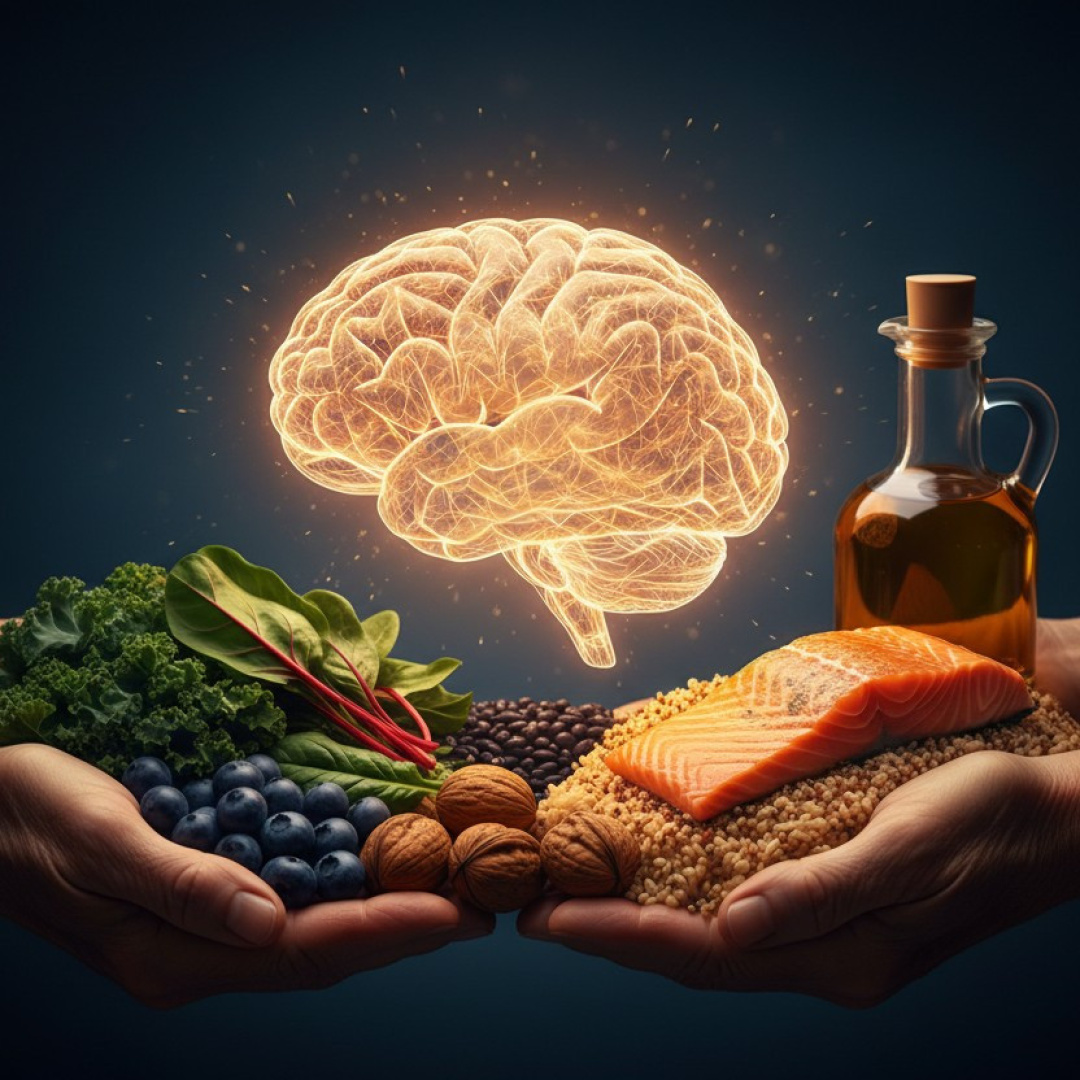
In this new analysis, researchers delved into the daily food logs of participants to understand their choices when only whole foods were available. The results were striking: individuals on the unprocessed diet loaded their plates with fruits and vegetables, often consuming servings that exceeded 500 grams in a single meal. In contrast, calorie-rich options like pasta were largely ignored. Overall, participants on the whole foods diet consumed about 57% more food by weight while averaging 330 fewer calories per day.
The researchers propose that this behavior reflects a form of "nutritional intelligence," where the body instinctively prioritizes meeting micronutrient needs over calorie intake. This suggests that when eating whole foods, individuals may naturally gravitate towards nutrient-dense options, even if it means consuming fewer calories overall.
The study highlights a critical tension in food choices: the need for vitamins and minerals versus the need for calories. Whole foods, such as vegetables, provide essential nutrients but are low in calories, while many ultra-processed foods, despite being calorie-dense, often lack the necessary micronutrients. The researchers refer to this phenomenon as "micronutrient deleveraging," where the body seems to prioritize nutrient intake over caloric energy, leading to healthier food choices.
Interestingly, the study does not label ultra-processed foods as inherently negative. It acknowledges that many of these foods are fortified with vitamins and minerals, which can lead to a false sense of nutritional security. When calories and nutrients are combined in the same food, the body's natural inclination to seek out nutrient-rich options may diminish, resulting in higher energy consumption.
This research adds a nuanced perspective to the ongoing conversation about ultra-processed foods, suggesting that humans may be more inclined to pursue nutrients rather than just calories. By returning to simpler, less processed meals, individuals may be able to restore their natural appetite signals that modern diets have suppressed. The findings indicate that rather than focusing solely on reducing caloric intake, altering the types of foods consumed could lead to more effective appetite regulation and improved health outcomes.