MHRA Warns Against Unsafe Practices in Weight Loss Amid Rising Demand for GLP-1 Medicines

The Medicines and Healthcare products Regulatory Agency (MHRA) has issued a reminder that healthy weight loss requires time and should not rely on shortcuts. With the rising demand for weight-loss medicines, particularly GLP-1 medications, the agency warns individuals about the risks associated with illegal sales and improper use of these drugs. Prescription weight-loss medications are being advertised illegally on social media, often accompanied by misleading quick-fix claims. The MHRA cautions the public not to compromise their health in pursuit of summer slimming.
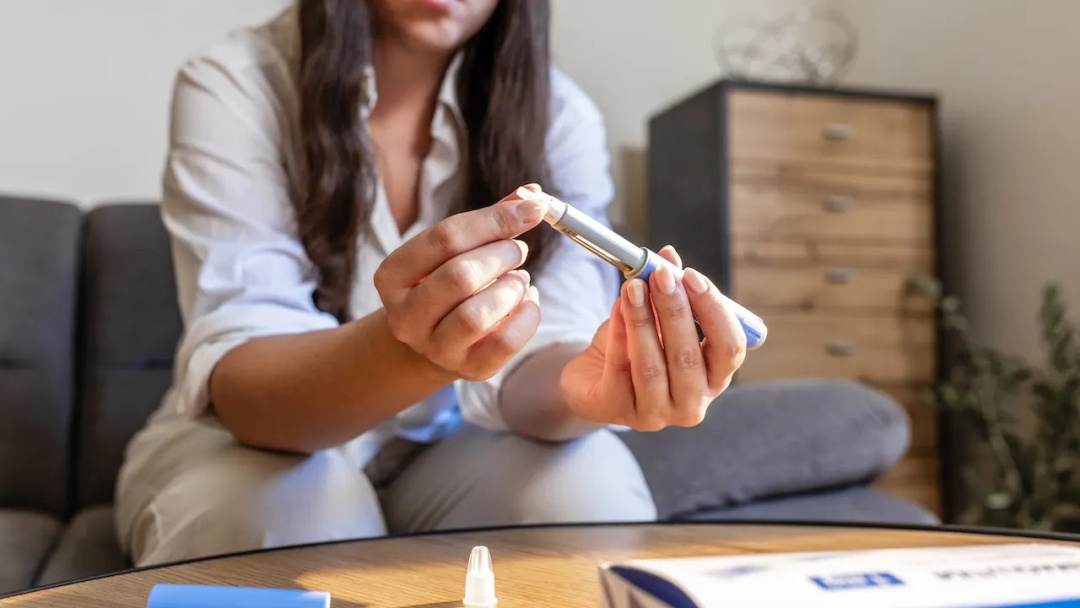
The agency highlights the dangers of overdosing on prescribed weight-loss medications and the potential hazards of purchasing counterfeit products online. Individuals prescribed GLP-1 medications such as semaglutide (Wegovy), tirzepatide (Mounjaro), and liraglutide (Saxenda) should adhere strictly to their healthcare professional's guidance and avoid increasing their dosage in hopes of accelerating weight loss. It is crucial to follow medical advice while maintaining a healthy diet and exercise regimen, as these practices support overall health during weight loss.
For those not eligible for prescription weight-loss medications, the MHRA strongly advises against purchasing these drugs from unregulated websites or social media platforms. Authorized GLP-1 medications in the UK are intended for individuals with a Body Mass Index (BMI) of 27 or higher. Buying from unauthorized sellers poses significant risks, as the contents of such products are uncertain and may include harmful substances. The agency specifically warns against the hype surrounding retatrutide, which has not been authorized for use in the UK, making any sales of this product illegal.
The MHRA emphasizes that rogue sellers prioritize profit over consumer safety, and the fake medicines they offer could contain dangerous contaminants. Consumers should be cautious of deals that appear too good to be true and verify that any pharmacy is registered with the General Pharmaceutical Council. If offered GLP-1 medications without a prescription, individuals are advised to walk away.
As summer approaches, many may consider healthier eating habits. However, the MHRA advises that dietary changes should not conflict with prescribed medications. Reading the patient information leaflet is essential, as certain foods can affect the efficacy of medications. For example, individuals taking simvastatin to manage cholesterol should avoid grapefruit, which can increase the risk of serious side effects by slowing the breakdown of the medication.
Additionally, those considering intermittent fasting should remember that some medications must be taken with food to minimize side effects. Metformin, used for diabetes, and the pain reliever naproxen should be consumed with or after meals to prevent stomach upset.
The MHRA concludes that there are no shortcuts to safe weight loss. Individuals aiming to lose weight should follow medical advice, steer clear of counterfeit medicines, and remember that a balanced diet and regular exercise remain the most effective and safest methods for achieving weight loss goals. The MHRA is responsible for regulating all medicines and medical devices in the UK, ensuring their safety and efficacy through rigorous assessments.