Indonesia's National Nutrition Agency to Close Non-Compliant Free Meals Kitchens
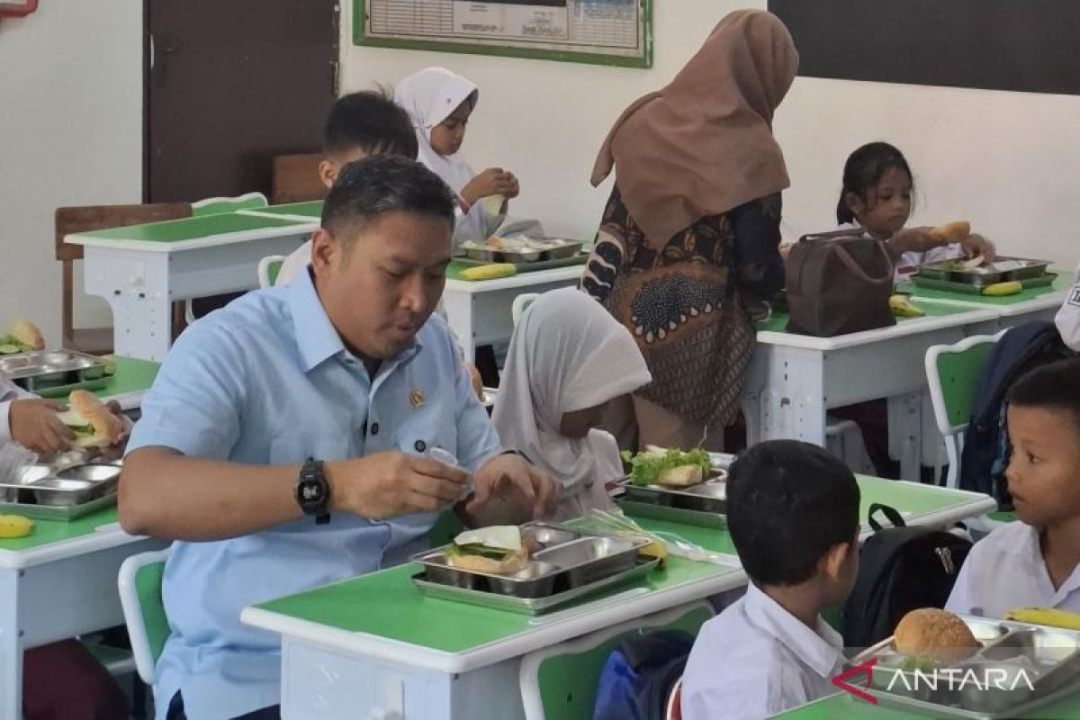
On July 24, 2026, Sudaryono, the head of Indonesia's National Nutrition Agency (BGN), conducted an inspection of the Free Nutritious Meals (MBG) program at a public elementary school in Bogor City, West Java. During this visit, he emphasized the agency's commitment to ensuring that kitchens serving the MBG program adhere to government standards. Sudaryono stated that any kitchen failing to comply with these standards would face closure. He remarked, "We look into shortcomings and order them to be immediately addressed. If kitchens are unable to follow our instructions for improvements, we will shut them down." Currently, the MBG program operates through approximately 27,000 kitchens across various regions in Indonesia, with most kitchens reportedly complying with BGN standards. Sudaryono assured the public that the agency would maintain rigorous oversight and enhance coordination with regional governments to ensure effective implementation of the program. This statement was made during a surprise inspection on only his third day in office, highlighting the urgency of his commitment to the program's success. The BGN chief noted that these inspections are crucial for gathering feedback from schools, kitchens, and community members. He stated, "We are listening to suggestions, input, and criticism." In addition to ensuring compliance, Sudaryono's team is focused on evaluating kitchen hygiene, meal quality, serving methods, and how well students receive the meals. He also announced plans to strengthen nutrition education in schools, including the development of supplementary materials that encourage students to wash their hands before meals, understand nutritional values, and develop a taste for vegetables. This initiative aims not only to provide meals but also to promote healthier eating habits among children. Principal Sugiartini of Public Elementary School 9 Bantarjati reported positive changes in students' eating habits since the implementation of the MBG program. She noted, "The children are very enthusiastic. Those who usually skipped breakfast now eat it, and those who once avoided vegetables now enjoy them. Praise be to God, almost every child receives MBG meals and finishes them." The BGN's proactive measures reflect a broader commitment to improving children's nutrition and overall health in Indonesia, addressing both immediate meal provision and long-term dietary education.