Protocol for Systematic Review on Lipid-Modifying Therapies in Diabetes Management
Diabetes mellitus (DM) is a significant global health concern, currently affecting over half a billion individuals worldwide, a figure that continues to grow due to lifestyle changes. As of 2024, approximately 588.7 million people are living with DM. The increasing prevalence of this condition, along with the lifelong requirement for pharmacological management, imposes a considerable burden on healthcare systems. Patients with diabetes often develop various complications, significantly elevating their risk of atherosclerotic cardiovascular disease (ASCVD) and related mortality. Therefore, therapeutic strategies must not only focus on improving metabolic parameters, such as lipid profiles, but also aim to reduce cardiovascular risk while minimizing potential adverse effects of treatment.
Lipid management is a cornerstone of diabetes care, as DM is frequently associated with disturbances in lipid and apolipoprotein metabolism. Low-density lipoprotein cholesterol (LDL-C) is recognized as a primary modifiable risk factor for ASCVD prevention. Recent clinical guidelines emphasize the importance of additional lipid parameters, such as triglycerides (TG) and high-density lipoprotein cholesterol (HDL-C), in assessing cardiovascular risk. Lipid-lowering therapies have been shown to reduce the risk of adverse cardiovascular outcomes among patients with established cardiovascular disease. Currently, a range of lipid-modifying agents is available, including traditional therapies like statins and fibrates, as well as newer agents such as proprotein convertase subtilisin/kexin type 9 inhibitors (PCSK9i) and adenosine triphosphate-citrate lyase inhibitors (ACLi). However, there is a scarcity of head-to-head randomized controlled trials (RCTs) directly comparing these agents in individuals with DM. Consequently, lipid management in diabetic populations often relies on evidence derived from studies conducted in the general dyslipidemic population.
Previous meta-analyses have evaluated the effects of specific drug classes, but these analyses generally focus on class-level assessments, limiting clinical guidance for selecting specific agents. Given the expanding therapeutic landscape, clinicians and patients face multiple lipid-lowering options, highlighting the need for a comprehensive assessment of these therapies.
This systematic review and network meta-analysis (NMA) aims to provide a thorough comparison of the efficacy and safety profiles of all currently available lipid-modifying agents in patients with diabetes. By analyzing both direct and indirect evidence, the study seeks to generate a comparative evaluation of these therapies concerning major adverse cardiovascular events (MACE), individual cardiovascular outcomes, lipid parameters, and safety outcomes in diabetic populations. This research is crucial for supporting evidence-based clinical decision-making and informing future research directions.
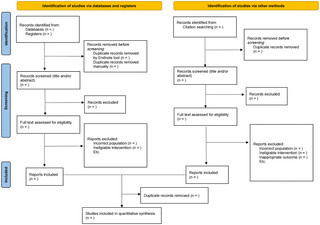
The systematic review will be conducted in accordance with the Preferred Reporting Items for Systematic Review and Meta-Analysis Protocols (PRISMA-P) guidelines and is registered with PROSPERO. Only RCTs with a parallel-group design will be included, focusing on studies that compare lipid-modifying agents with placebo or standard care. The review will cover all records from relevant databases, ensuring a comprehensive analysis of the available literature.
This protocol outlines the methodology for conducting the systematic review and NMA, emphasizing the importance of rigorous study selection, data extraction, and quality assessment to ensure the reliability of the findings. The results of this study are anticipated to contribute significantly to the understanding of lipid-modifying therapies in the management of diabetes and their impact on cardiovascular health.